Building Small Modular Momentum

Dear Friend,
Kairos Power started the new year on the heels of major milestones – both in demonstrating our reactor technology and building the civil structures that will house it. Through rapid learning cycles and reactor-scale hardware demonstrations, like our Engineering Test Unit (ETU) series, we’re gaining crucial insight into what it takes to deliver a fully standardized, modular reactor design to customers with cost certainty.
ETU 2 is moving full speed ahead at our Manufacturing Demonstration Campus in Albuquerque, New Mexico, as we prepare to start it up this summer. The new iteration builds on lessons learned from ETU 1, with a more refined system architecture, a fully modular design, and more mature systems – making ETU 2 more representative of the Hermes demonstration reactor that will follow.
We recently finished installing the ETU 2 graphite reflector assembly. The decision to manufacture and assemble it fully in-house enabled meaningful design improvements, optimized buildability, and helped us establish a supply chain for specialized parts while gaining a firm understanding of our costs. This effort is a prime example of how the ETU program is helping us establish manufacturing capabilities that will be crucial to delivering the Hermes reactor series and future plants.
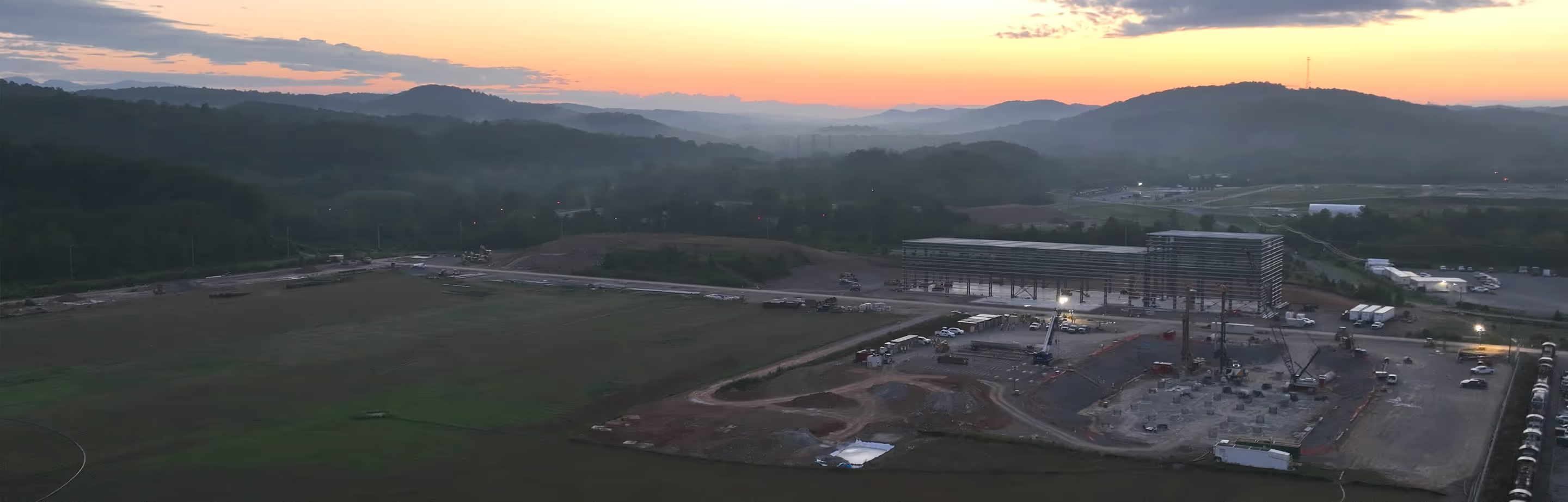
In parallel, we’re advancing construction methods to build nuclear facilities quickly and cost-effectively. At our site in Oak Ridge, Tennessee, we recently completed a demonstration validating the use of precast concrete to build modular shielding structures. Next, we're preparing to install dampers in the Hermes foundation to demonstrate the seismic isolation system, which will serve as a model for future builds. All this work puts the pieces in place to implement a standardized building design with increased siting flexibility, while driving down cost and schedule risk for the fleet.
With these capabilities coming together, we’re on track to submit an operating license application to the Nuclear Regulatory Commission for Hermes 1 this year. It will likely be the first in the U.S. for a Gen IV reactor.
We anticipate a busy season ahead as we continue to build, test, and operate reactor systems and fine-tune our delivery model. We look forward to making continued forward progress as we learn through iteration.
Cheers,
– Mike

Building Small Modular Momentum
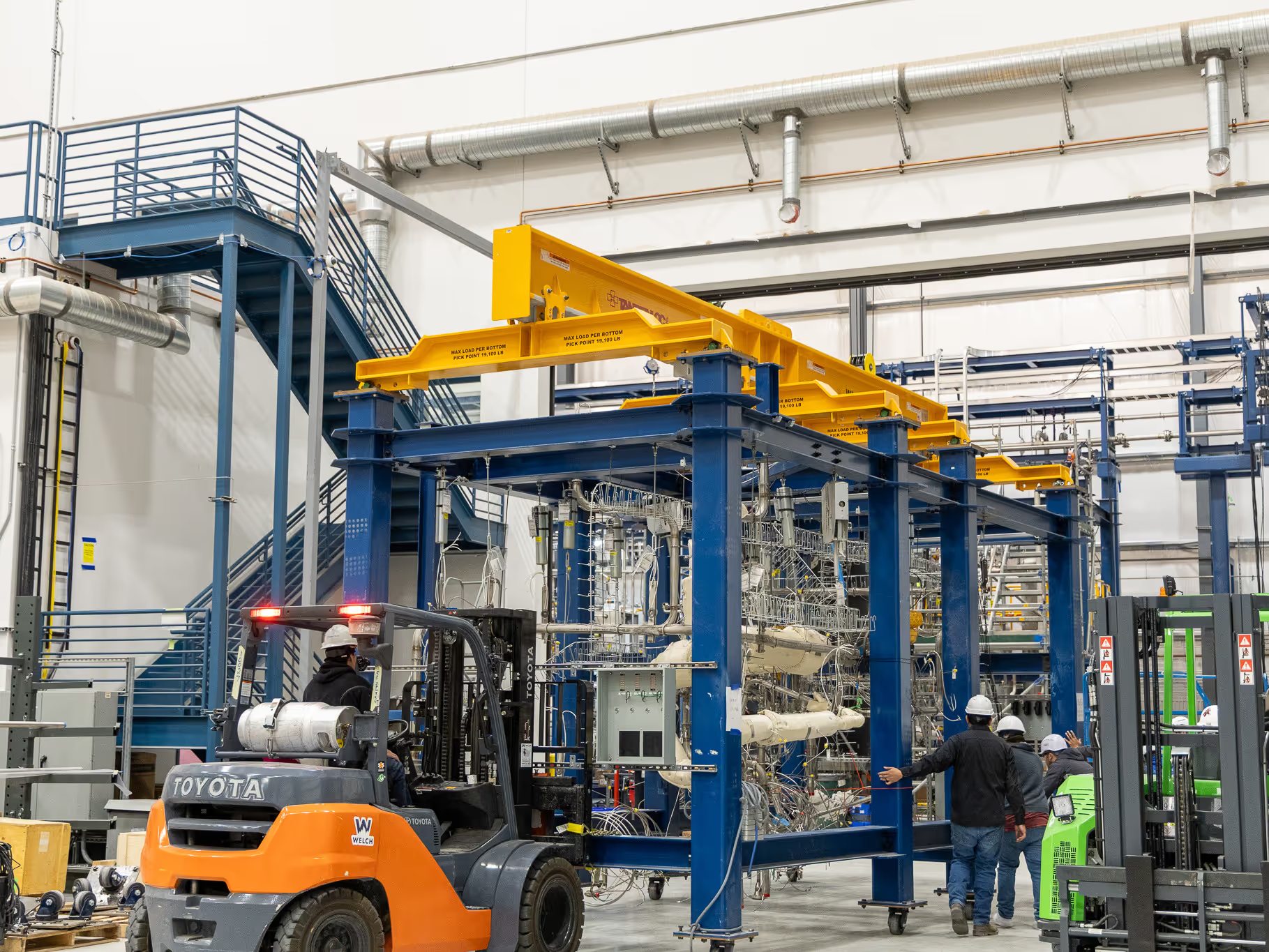
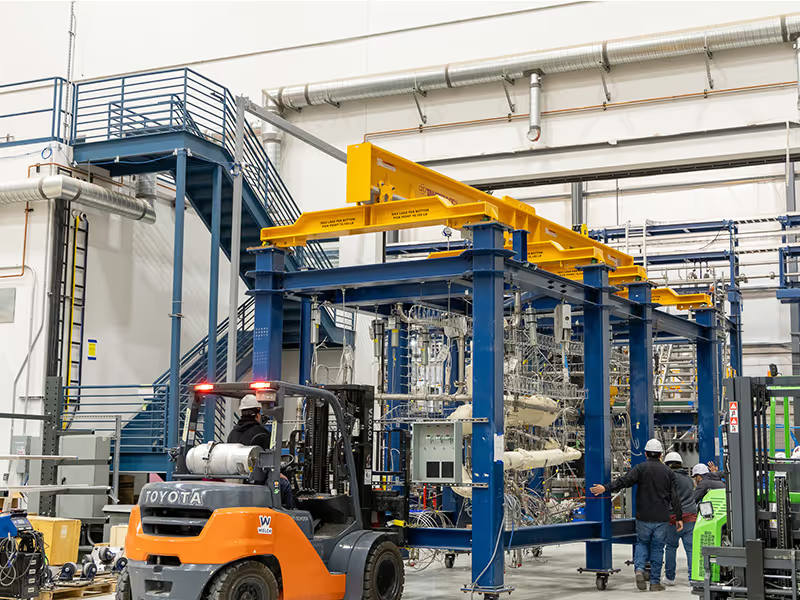
The second Engineering Test Unit (ETU 2) is rapidly coming to life at our Manufacturing Development Campus in Albuquerque, N.M. Powered by the dedication and coordination of Kairos Power’s cross-functional teams, we have hit key manufacturing and testing milestones that bring us closer to hot commissioning and set the stage for how we will build the Hermes reactor series and future plants.
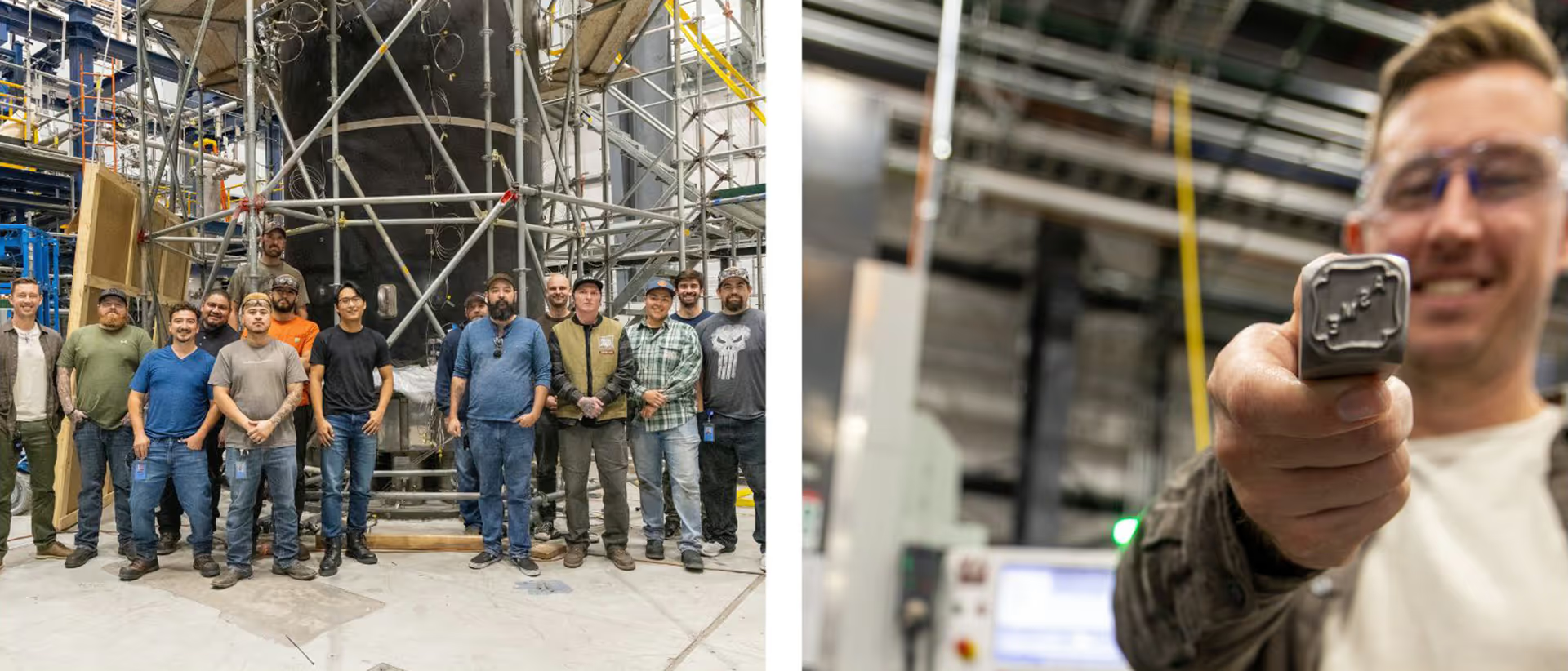
In late October, the Kairos Power team successfully hydrotested the ETU 2 reactor vessel, making it the first U2-stamped vessel to be completed at our Albuquerque campus. ASME certification confirms that the vessel’s design, materials, and fabrication comply with rigorous quality standards to ensure performance, reliability, safety, and regulatory compliance. This significant achievement attests to the strength of our in-house manufacturing capabilities to deliver high-quality vessels for Hermes and beyond.
Precision Installation
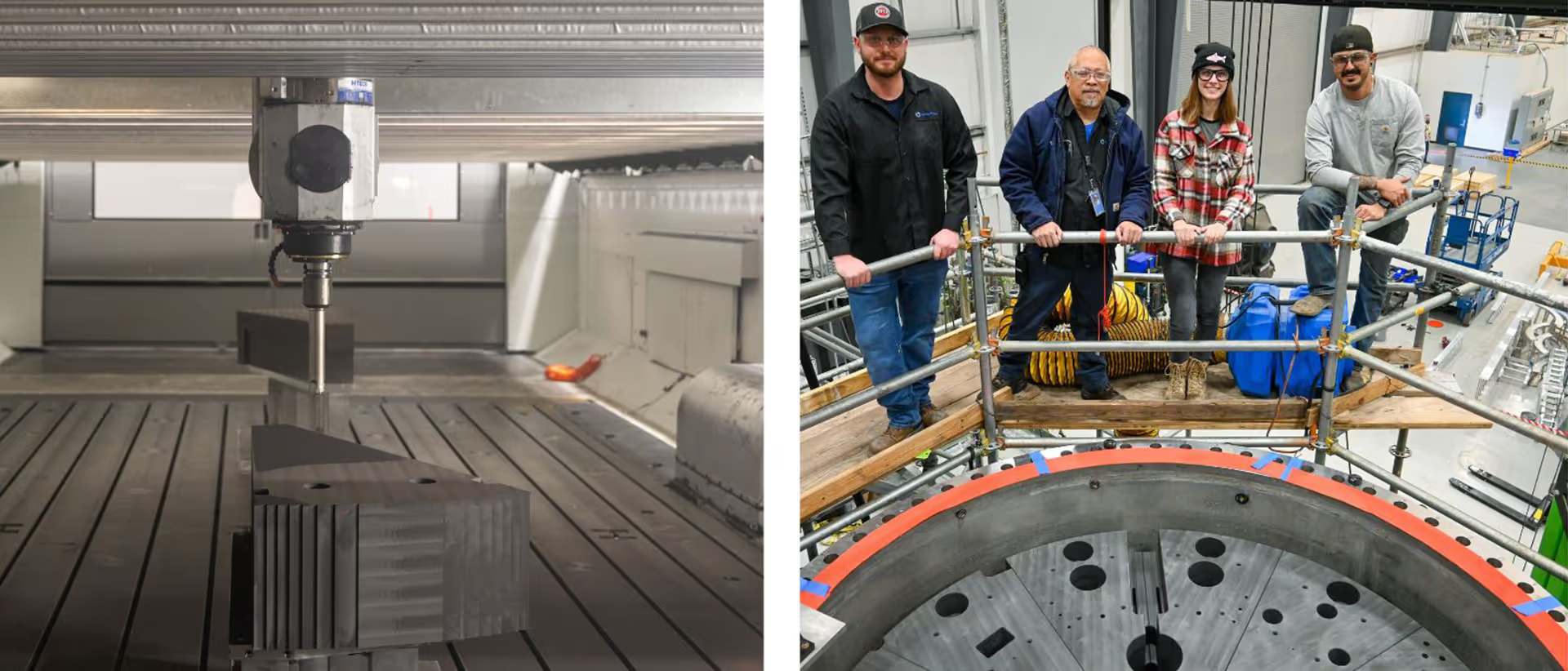
With the vessel certified for use, our team began loading the machined graphite blocks that make up the internal reflector assembly in December. The ETU 2 reflector design has evolved significantly, incorporating lessons learned from ETU 1. By making the pieces larger and reducing the number of them, we increased the speed of production and assembly.
We also refined our ability to match-machine the graphite blocks to the vessel to ensure proper coolant flow. When a detailed scan revealed areas where the gap between the reflector and the inner core barrel was too tight, we reshaped the affected blocks to keep the installation process rolling. A quick pivot made possible by our in-house machine shop and highly skilled Manufacturing team.
Continuous Improvement
In January, our Pump team successfully water-tested the ETU 2 auxiliary salt pump, which will enable improved salt sampling and chemistry control. It’s the first full-scale molten salt pump designed for remote replacement that we have designed, built, and tested in-house. Incorporating lessons from ETU 1, the new unit further advances Kairos Power’s molten salt pump technology, helping us to deliver reliable, maintainable systems to customers, and securing an important supply chain for our commercial fleet.
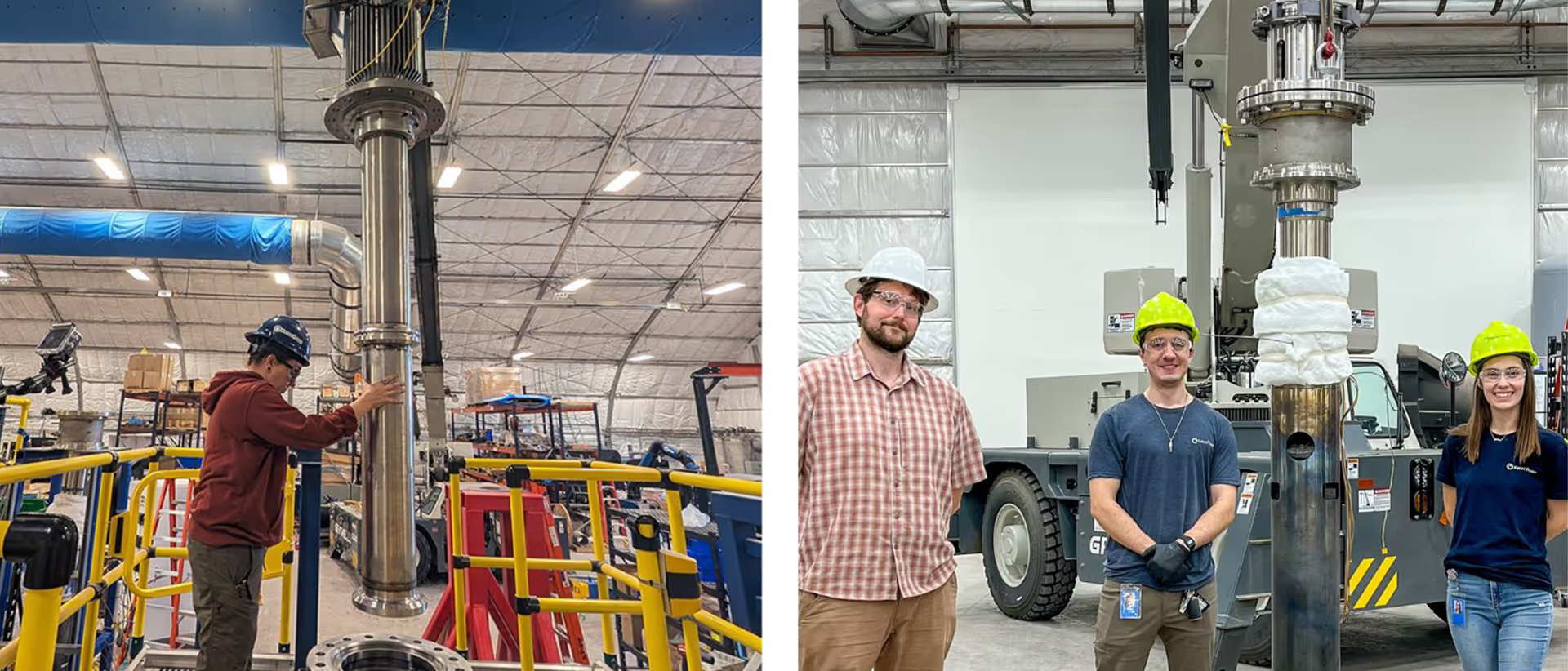
We have also completed the fabrication and testing of the ETU 2 Pebble Extraction Machine (PEM) – a sophisticated assembly that withdraws fuel pebbles from the core for inspection and processing – all while submerged in 650°C molten salt. The PEM recently passed a 100,000-pebble circulation test without a single jam.
The ETU 2 PEM is the latest in a series of iterations dating back to 2019 that have progressively improved pebble handling precision and reliability. Our team machined critical parts in-house, owning the design and fabrication process to ensure they meet our strict requirements.
Quality Control
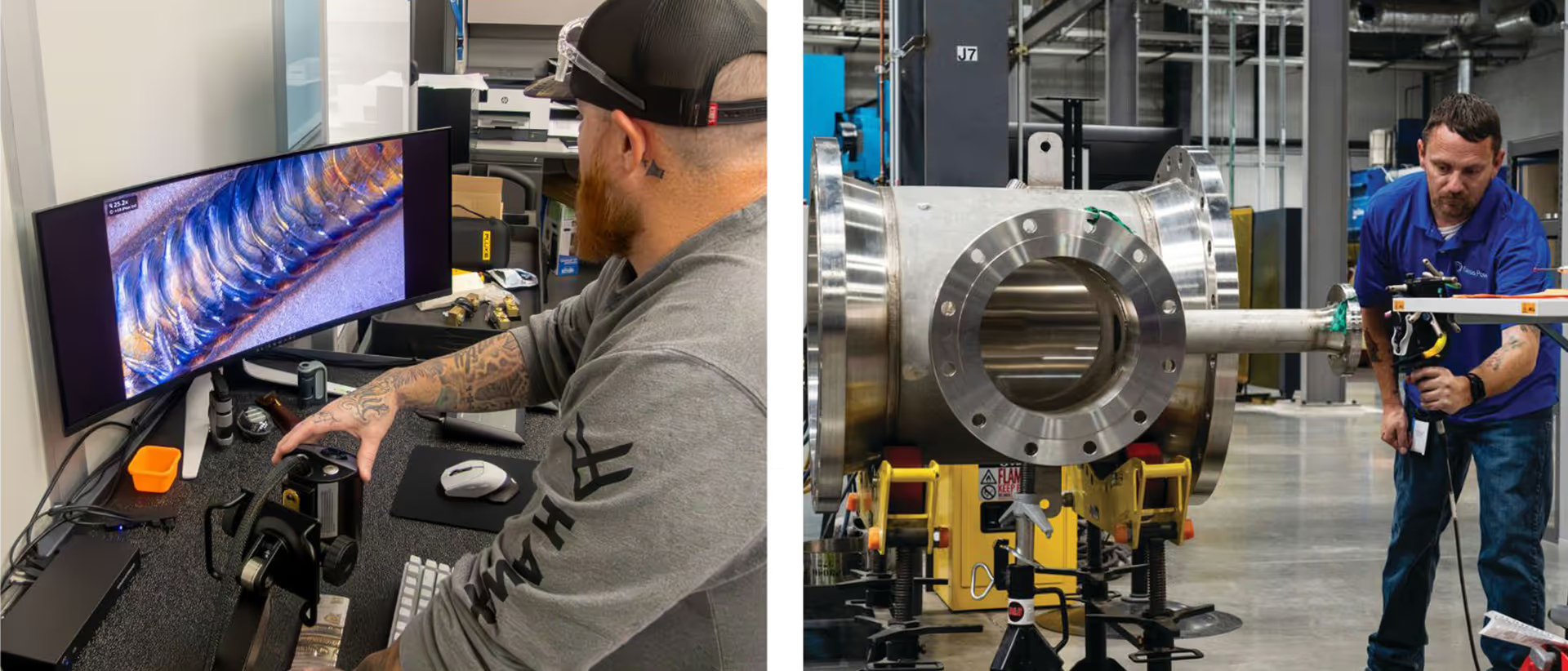
Underlying all of these efforts is Kairos Power’s Quality Control program. Our technicians use QC capabilities like advanced metrology inspection and radiography to obtain the precision measurements and reliable data needed to ensure hardware meets design requirements, with tolerances in the thousandths of an inch.
All these systems come together as an integrated whole through the coordination of teams and functions across the organization, from engineering design to manufacturing, procurement, and operations. Together, the ETU 2 project team hit a new milestone in January by finalizing all the assembly drawings for more than 38 individual skids across the ETU 2 architecture. This means we now have the blueprints to complete the assembly of every skid that will ultimately be installed in the ETU enclosure.
Operational Readiness
As we complete the ETU 2 build effort and prepare for commissioning, we are training operators in parallel. Because ETU 2 will emulate the Hermes 1 design, many of the startup and operating procedures will be nearly identical. Building on lessons learned from ETU 1, where employees from various departments moonlighted as operators, our team is developing a more sophisticated operator training program, including 50+ new procedures for our full-time operating staff hired to run ETU 2.
The ETU program provides invaluable experience and data to inform our future deployments. Thanks to the ETUs, we know how to build and operate reactor-scale systems. We know what they cost. And with every iteration, we become more efficient at delivering them.
Pioneering New Construction Methods
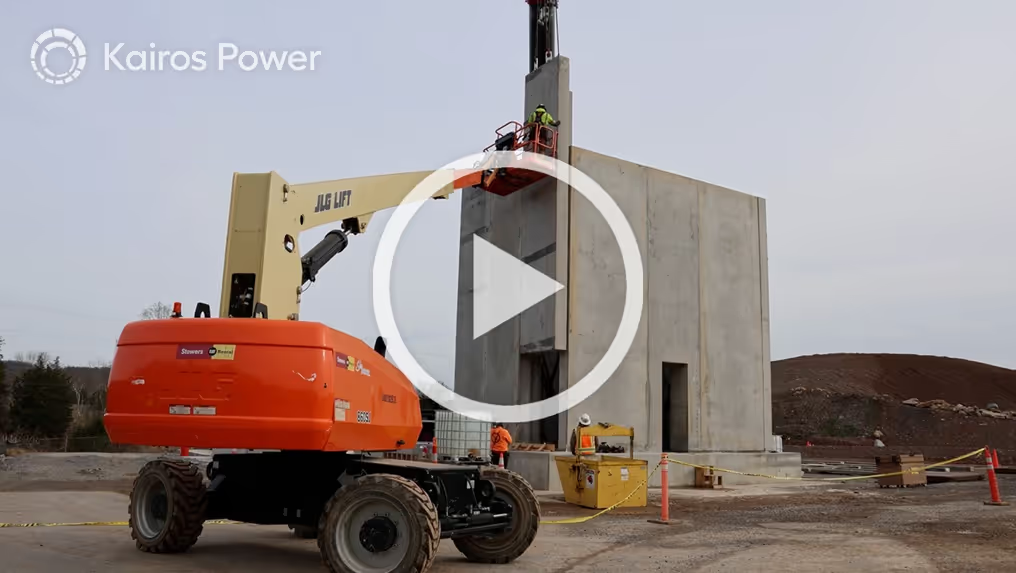
Kairos Power is piloting new approaches to nuclear construction with advanced techniques that could help shorten project schedules and reduce costs for the fleet. In December, we installed a prefabricated shielding structure in Oak Ridge, Tenn., using emulative precast concrete. This advanced building method is commonly used for infrastructure such as bridges and roads, but it is new to the nuclear industry.
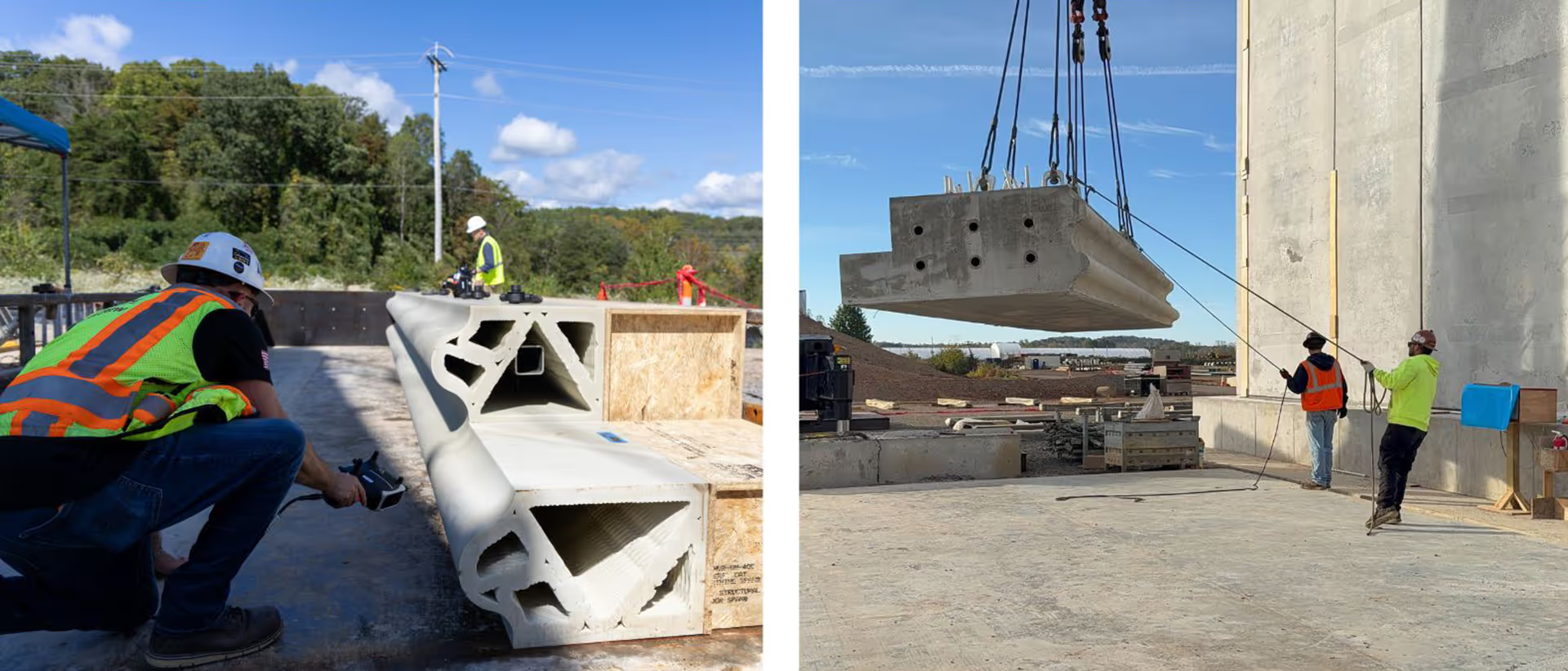
Working alongside Barnard Construction, we produced and assembled premade wall panels poured on-site using wood and steel forms, along with 3D-printed polymer composite molds made in partnership with Oak Ridge National Laboratory and the University of Maine. The 3D-printed molds feature sinusoidal “wave” joints to enable rapid, grout-free assembly and robust shielding performance.
“This demonstration is a crucial step to expanding the use of precast construction to build our plants with greater efficiency and enhanced performance on significantly faster timelines compared to conventional methods.”
- Edward Blandford, Kairos Power Chief Technology Officer and co-founder
HALEU for Hermes
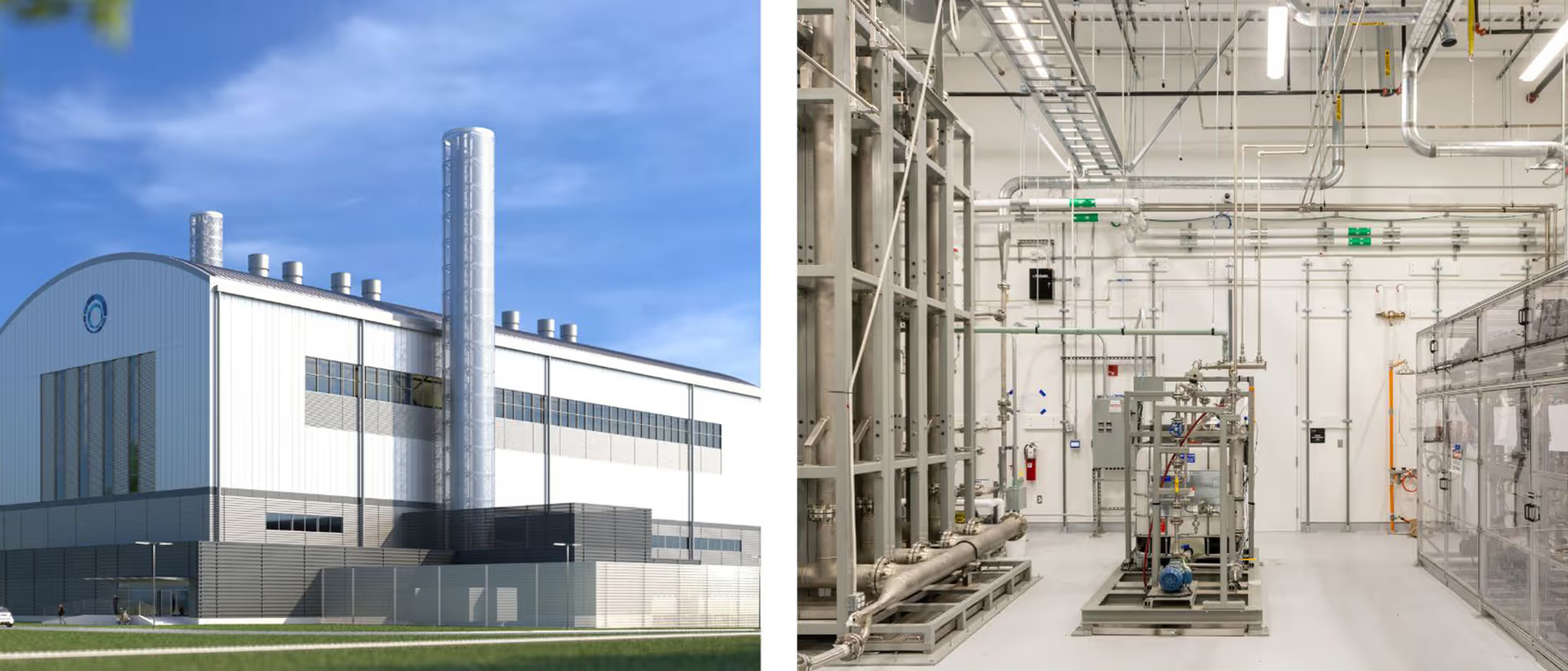
In January, Kairos Power finalized a contract with the U.S. Department of Energy (DOE) to obtain High-Assay Low-Enriched Uranium (HALEU), sourced from DOE material, for the start-up and operation of Hermes 1, currently under construction in Oak Ridge. Kairos Power was conditionally selected by DOE to receive HALEU last year under the agency’s HALEU Availability Program.
The Engineering Test Unit facility is a hub for innovation at Kairos Power’s Oak Ridge campus. This non-nuclear testing and training center will feature a full-scale mockup of the Hermes reactor, which will be used to test remote handling equipment, train operators, and refine maintenance procedures. The Oak Ridge Engineering Test Unit (ETU 3.0) will be our third iteration, incorporating lessons learned from earlier builds to help fine-tune systems and optimize plant operations.
DOE’s support allows us to keep up our momentum, as we drive toward a shared goal of unlocking advanced nuclear energy’s potential and accelerating U.S. reactor deployment.”
– Mike Laufer, Kairos Power Chief Executive Officer and co-founder
At our labs in Albuquerque, we are demonstrating the processes to manufacture our proprietary fuel form. The Hermes fuel fabrication campaign will build on this progress, providing crucial learning to enable the success of our future commercial fleet.
A new collaboration with Texas A&M University’s Engineering Experiment Station (TEES) will support our HALEU fuel manufacturing efforts by analyzing the process for safeguards implementation. Based at Kairos Power’s TRISO Development Lab, the collaboration will accelerate learning to help ensure secure fuel manufacturing processes not only for our reactors but for other advanced reactor designs that use HALEU TRISO fuel.
New Strides in Reactor Licensing
As we systematically de-risk our technology, supply chain, and construction, we are equally focused on the licensing process, which ensures the protection of public health and safety. We recently logged a new milestone when the U.S. Nuclear Regulatory Commission approved not one, but two of our topical reports.
The Core Design and Analysis Methodology and Safety Analysis Methodology topical reports help establish the licensing basis for the Hermes reactor series and all Kairos Power reactors that will follow. To date, the NRC has approved 14 topical reports, which will inform the Hermes operating license application (OLA) we plan to submit later this year.
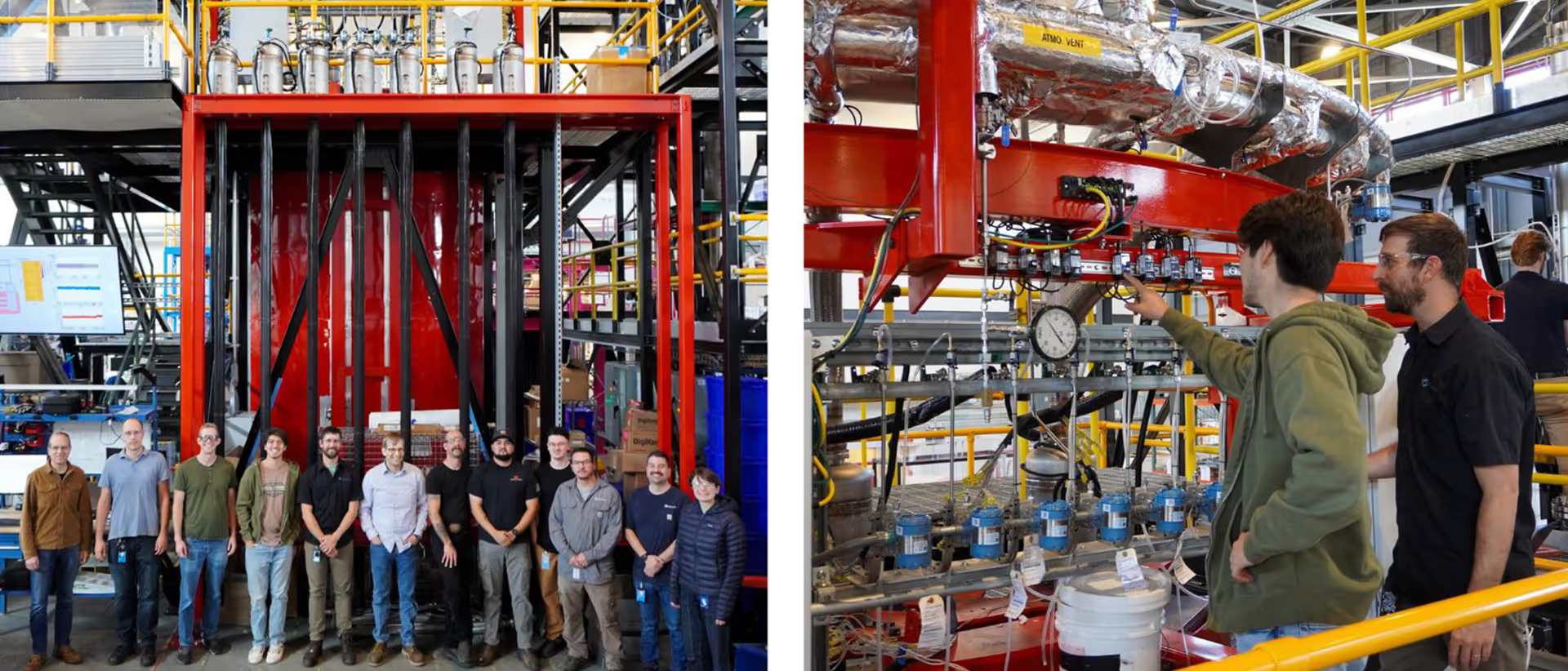
The OLA will be supported by real-world testing to validate the reliability of safety systems. At our lab in Alameda, Calif., we’ve built a full-scale section of the Decay Heat Removal System (DHRS) to generate quality-assured performance data for the OLA.
The DHRS ensures continuous cooling of the reactor when power is lost and fission stops, without requiring pumps, electricity, or operator action. The test, affectionately called Hades, is one of several that are helping us fine-tune our technology and ensure safe operations.
Strengthening Community Partnerships
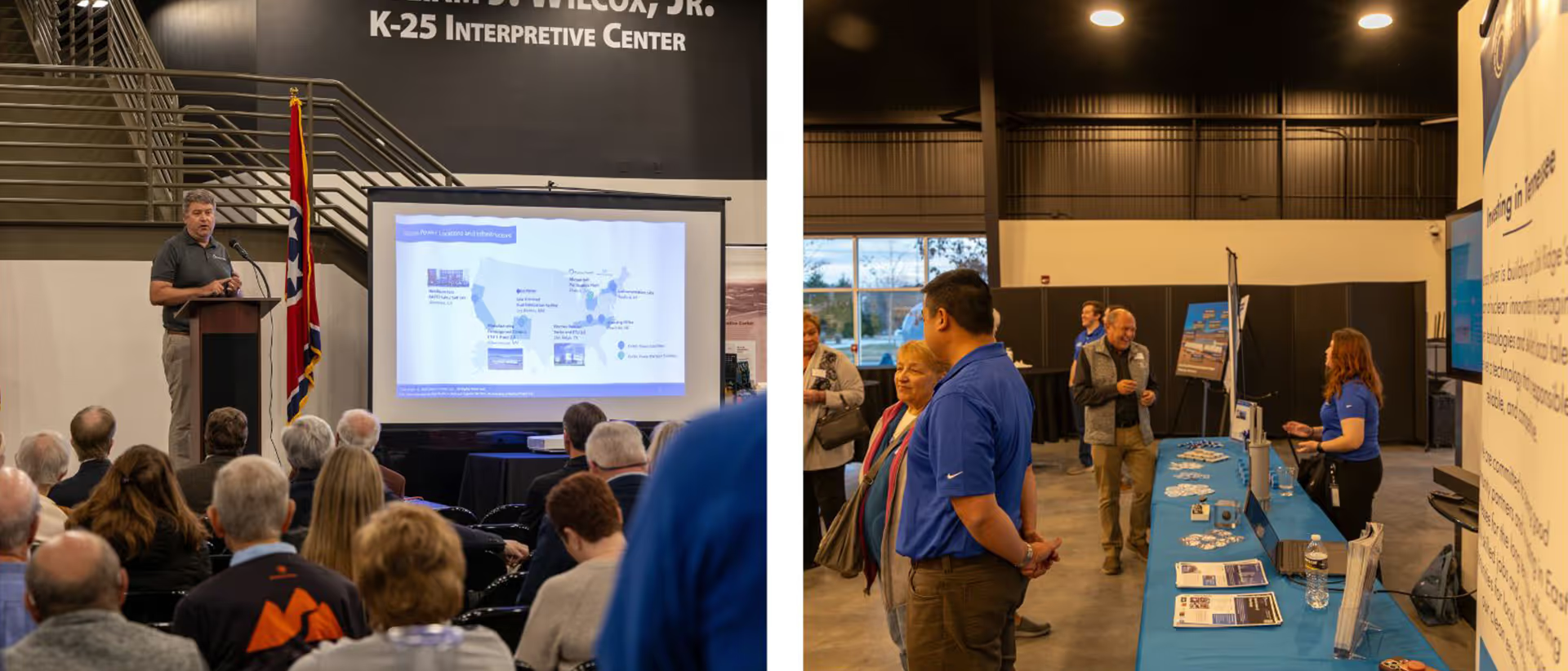
We were honored to host Oak Ridge neighbors and local leaders for a community meeting in November. Guests heard an update on Kairos Power’s construction projects from co-founder and Chief Technology Officer Ed Blandford and engaged with subject-matter experts who stood ready to answer their questions.
Thank you to Roane County Executive Wade Creswell, Anderson County Mayor Terry Frank, Oak Ridge Mayor Warren Gooch, Oak Ridge National Laboratory Director Dr. Stephen Streiffer, TVA Senior Vice President Bob Deacy, and all the neighbors who joined us at the event. We are grateful for the local support we’ve received in Oak Ridge, and we’re excited to continue growing our operations in the region.
Digital Download
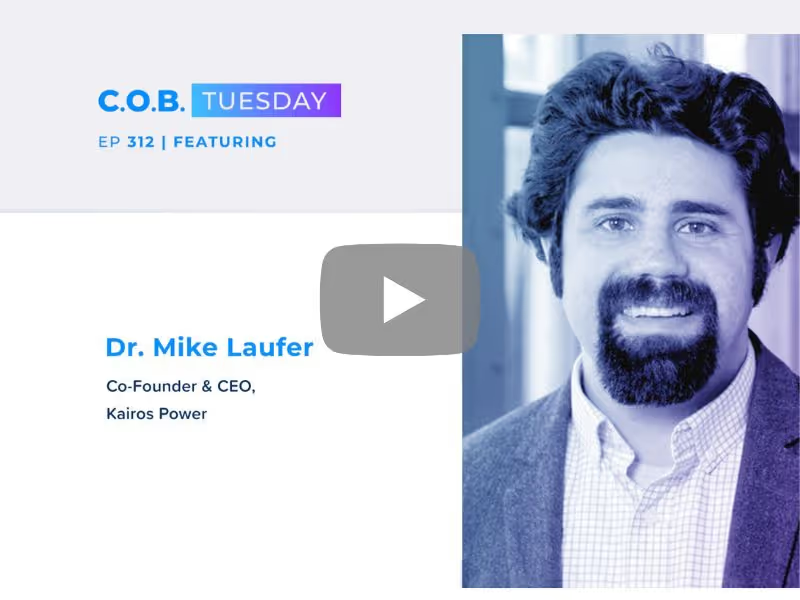
Kairos Power CEO and co-founder Mike Laufer recently appeared on the C.O.B Tuesday podcast, taking a deep dive into our strategy to reduce costs, mitigate uncertainty, and establish credibility to deliver advanced reactors for our customers. Listen Now.
Stories to Watch in 2026
With strong partnerships in place and nuclear construction underway, we’re making steady progress in advancing our licensing, fuel, and molten salt production efforts. Stay tuned for these 5 Kairos Power Stories to Watch in 2026 (and many more) to follow along on our journey.
What We're Reading,Watching,and Listening To:
- Optimism About Nuclear Energy Is Rising Again. Will It Last? – The New York Times
- Only US nuclear reactor under construction is in Chattanooga’s backyard – Chattanooga Times Free Press
- Inside Meta’s Massive Nuclear Push – Latitude Media
- How next-generation nuclear reactors break out of the 20th-century blueprint – MIT Technology Review