Kairos Power Completes Performance Testing on Precast Concrete Shielding Structure

Highlights:
- Kairos Power completed shielding performance testing on a precast concrete structure using a radiation source.
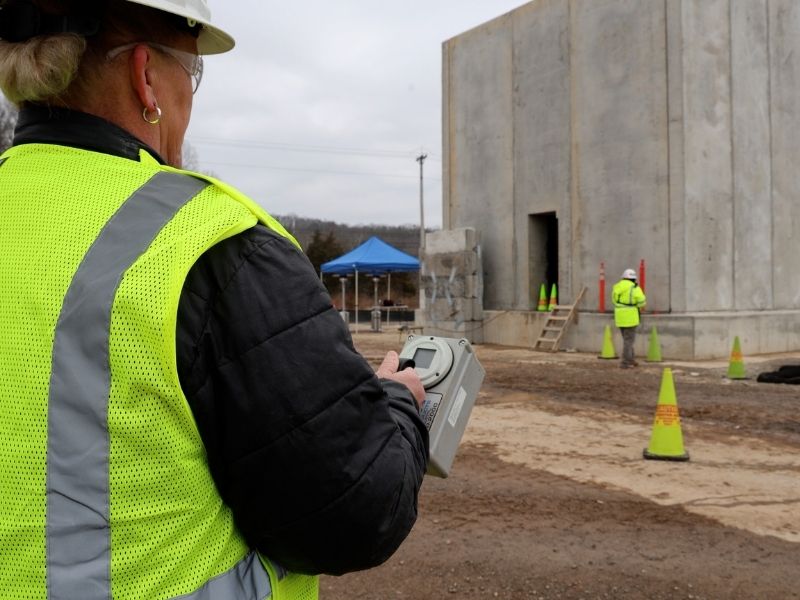
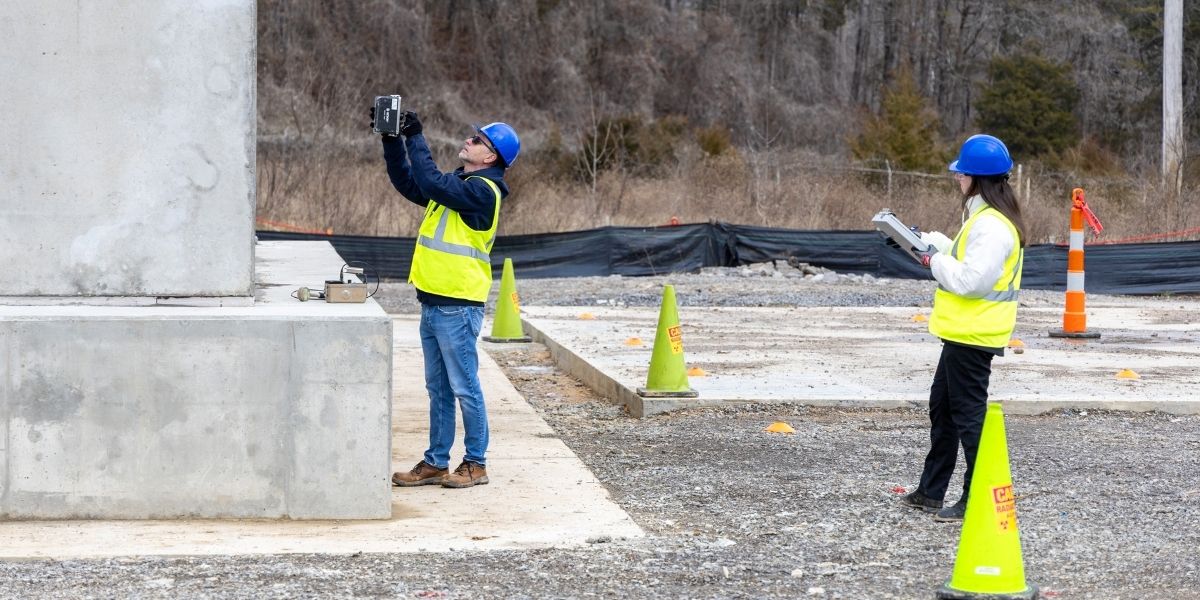
- The testing used an iridium-192 source to measure how radiation moves through concrete walls, joints, and seams.
- Initial results show the structure performed as expected and will inform the design, construction, and operation of future Kairos Power projects — leading to greater schedule and cost certainty.
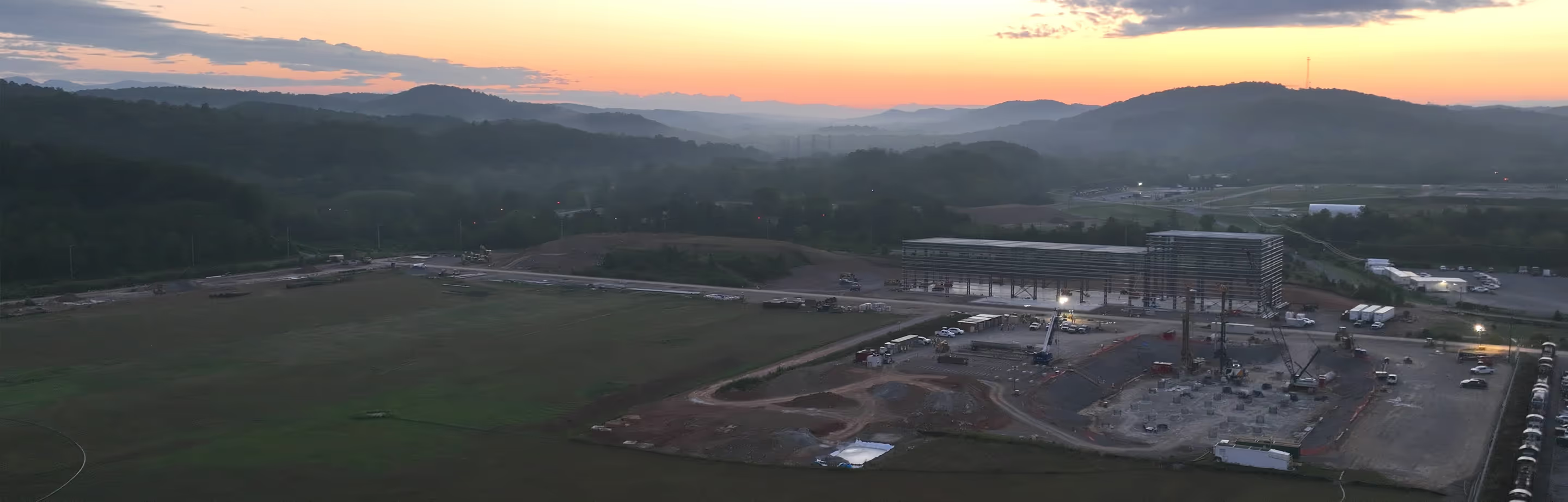
Kairos Power completed performance testing on a full-scale precast concrete shielding structure at its Reactor Demonstration Campus in Oak Ridge, Tennessee.
The testing is an important step in validating how the company plans to safely and efficiently build reactor facilities for commercial power plants with greater cost and schedule certainty.
Demonstrating Precast Construction
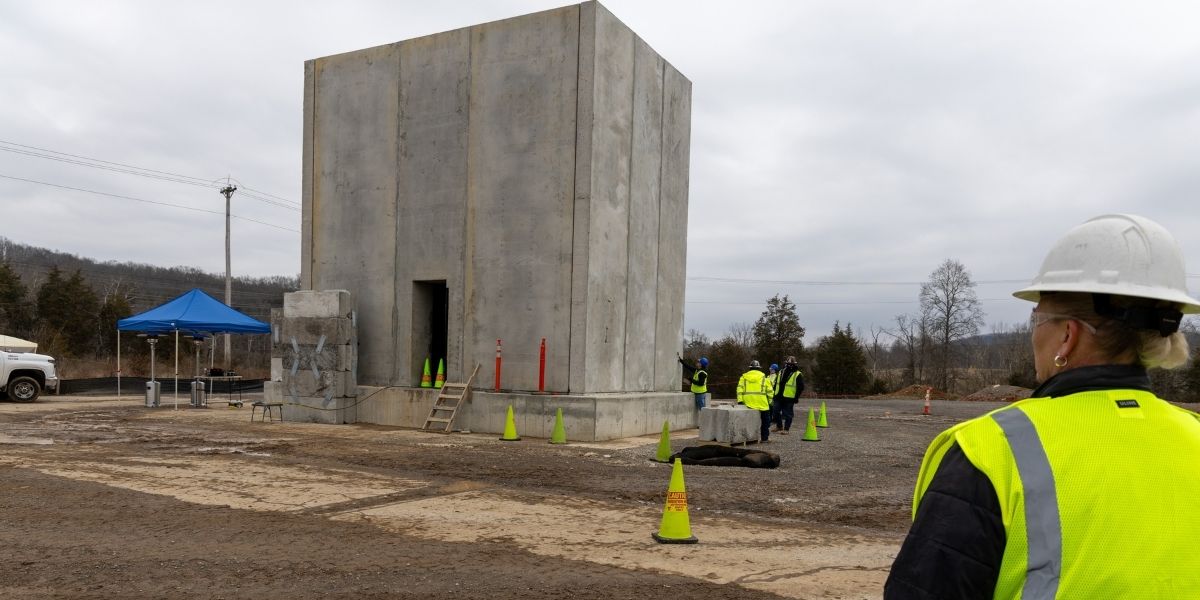
Kairos Power worked with several key partners to construct a 26-foot-tall shielding structure last December using precast concrete elements.
The wall panels were connected using multiple joint designs that were either grouted or not grouted to better understand their impact on shielding performance.
Precast construction is widely used to quickly build tunnels, bridges, and other civil infrastructure. The prefabricated modular elements are assembled on-site to behave like conventional cast-in-place structures.
Kairos Power is evaluating this advanced construction method for future nuclear construction projects to improve quality control, reduce construction timelines, and limit complex on-site work with greater cost certainty.
%2520(1).jpeg)
.jpeg)
Real-World Radiation Testing
Kairos Power worked with TechCorr and Barnard Construction to see if the modular shielding elements provide the same level of protection as a solid concrete wall.
The highly trained team used a sealed iridium-192 radiation source—commonly used in medical treatments and industrial inspections—to safely assess whether radiation could pass through gaps, seams, or imperfections in the concrete.
Initial results of the testing proved the structure performed as expected, with measurements closely matching engineering predictions.
“One of the major drivers of schedule for precast concrete is grout, which can ultimately increase the cost for the project,” said John Perry, a principal engineer with Kairos Power. “If we can evaluate that certain joints don’t need to be grouted or are successful from a radiation perspective and a shielding perspective, that’s a boon for our company.”
“Kairos Power is taking a critical look at how we can engineer the construction process and deliver plants in a more affordable way,” said Chief Technology Officer Ed Blandford. “If we can demonstrate this project works and performs as well as the original design, it gives us a lot of opportunity to accelerate the construction of these safety-related structures.”
Looking Ahead
Additional analysis will continue over the coming weeks to further quantify the results.
The findings will directly inform the design and construction of the Hermes Low-Power Demonstration Reactor and future Kairos Power plants.
Hermes is currently under construction at the Oak Ridge campus and is the first Generation IV reactor to receive a U.S. Nuclear Regulatory Commission construction permit.