Kairos Power Ramps Up Pebble Production with New and Improved Automation Process

Highlights:
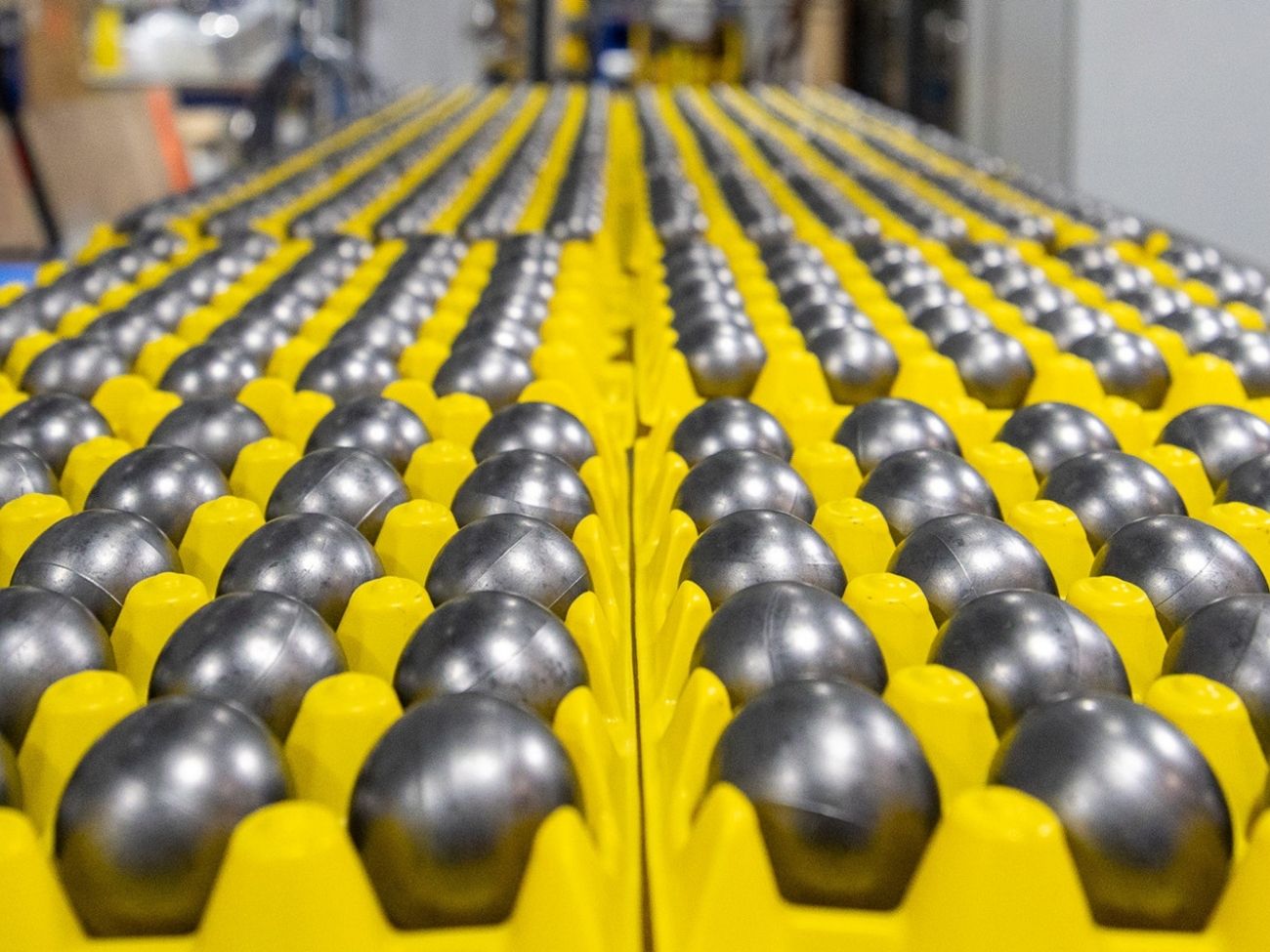
- Kairos Power produced more than 60,000 annular surrogate fuel pebbles.
- The pebbles will support internal testing with Engineering Test Unit 2 and future fuel pebble development efforts.
- The milestone demonstrates significant advances in process automation and manufacturing efficiency.
- Kairos Power is in the process of developing a fourth-generation production system focused on greater automation, modularity, and commercial scalability.
Kairos Power manufactured 60,000 annular surrogate fuel pebbles at its Manufacturing Development Campus in Albuquerque, New Mexico.
The pebbles will be used for internal testing, including the company’s second Engineering Test Unit (ETU 2) hardware demonstration at the site, which will be the world’s largest Flibe molten salt test ever recorded when it starts operations later this year.
The achievement also advances Kairos Power’s iterative approach to fuel manufacturing by applying lessons learned from previous campaigns to improve pebble production capacity, automation, and operational efficiency.
Advancing Pebble Manufacturing
Kairos Power previously manufactured 30,000 solid graphite pebbles for the company’s first Engineering Test Unit (ETU 1) that operated for more than 2,000 hours starting in 2023.
The pebbles were largely produced manually by the Fuels team, who weighed the material, loaded presses, and removed the finished pebbles repeatedly.
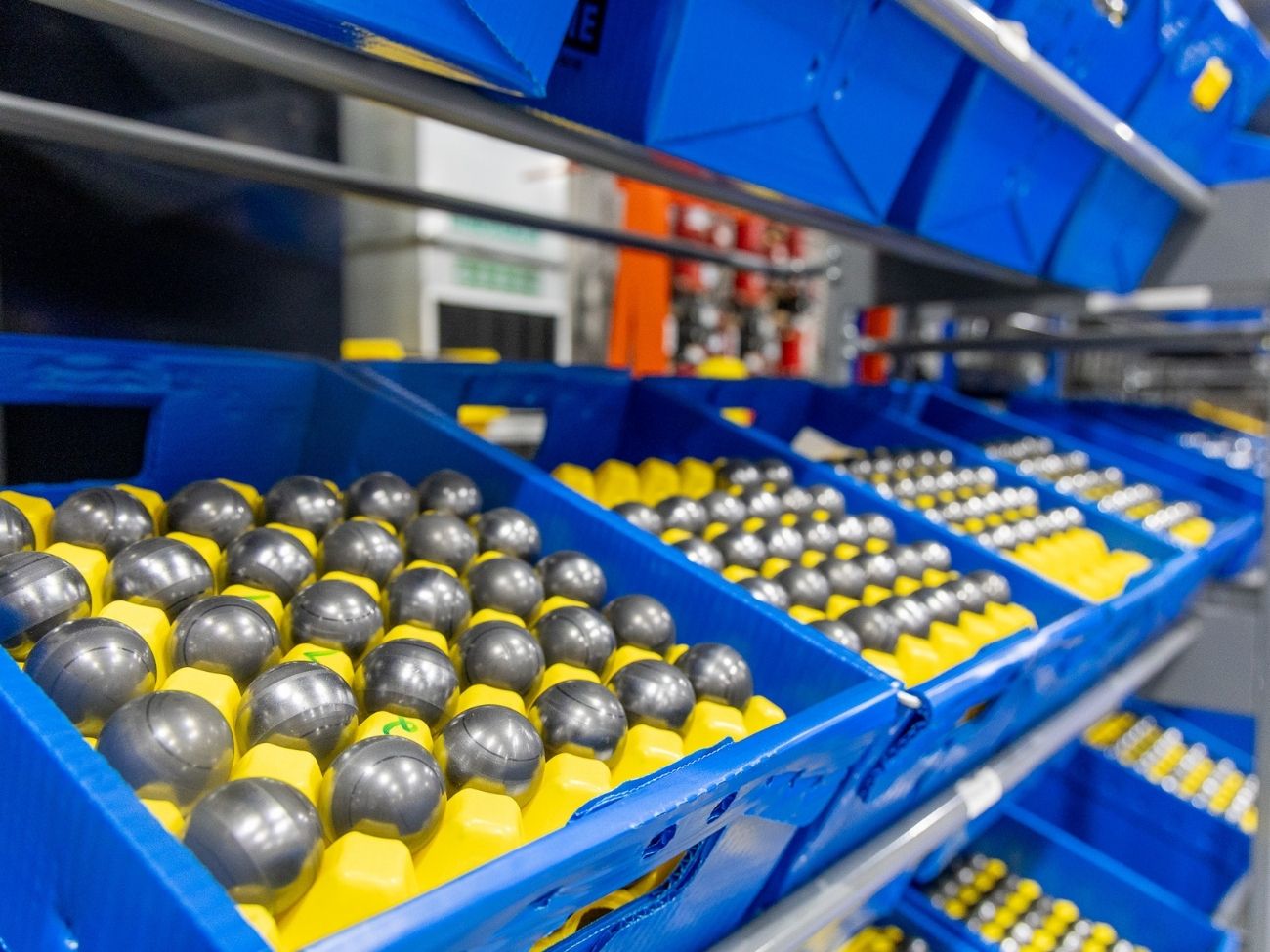
Since then, the team has refined raw materials, improved manufacturing methods, and automated processes at the company’s Pebble Development Lab in Albuquerque.
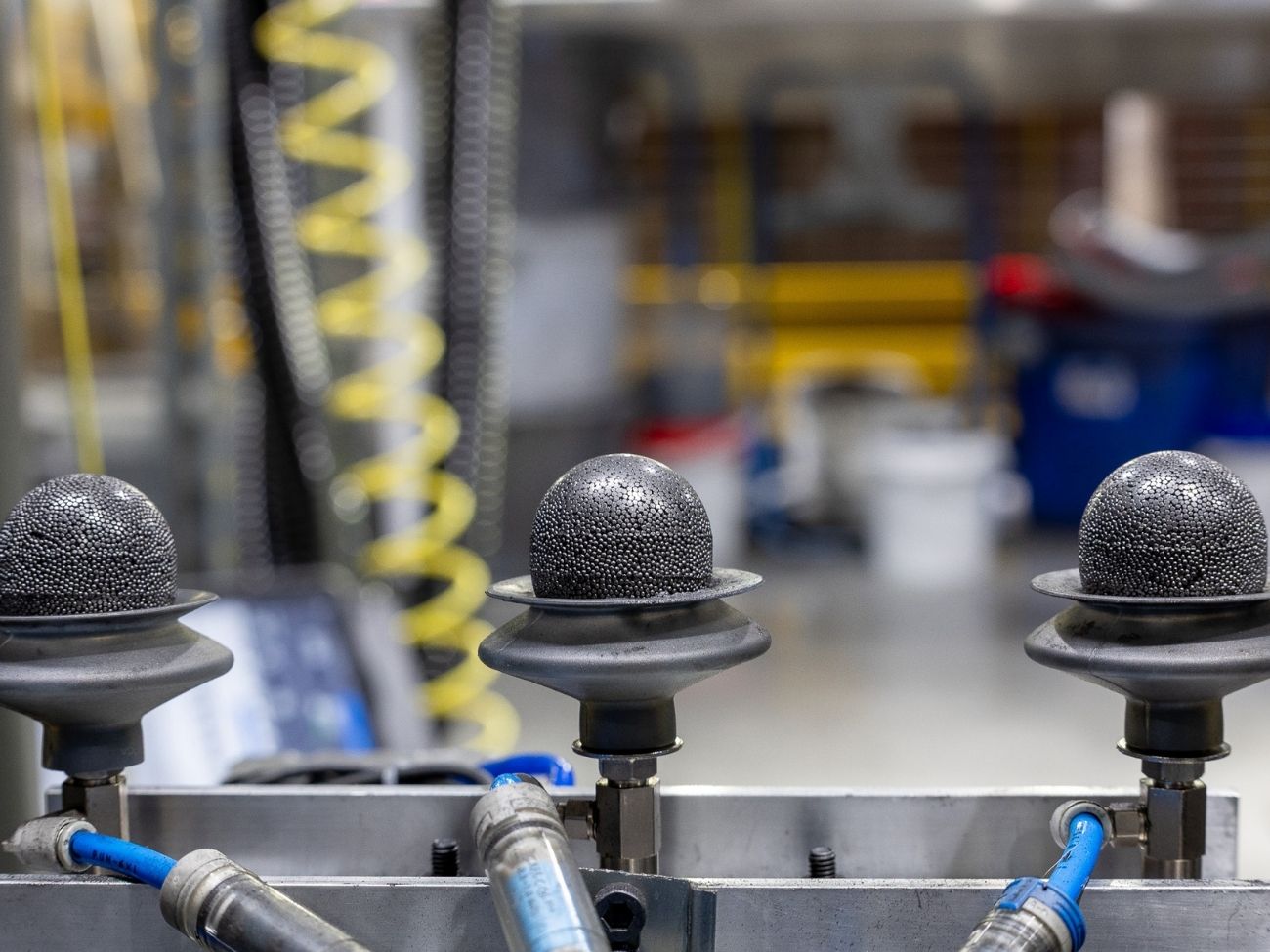
Building on the success of ETU 1, the team designed, built, and commissioned an automated system to produce solid graphite pebbles that tripled the per-cycle output, reduced direct operator involvement, and eliminated chemical handling.
The team added complexity to the process in June 2025 by automating the production of pebbles that incorporate an annular layer of surrogate particles to simulate TRISO fuel characteristics during manufacturing.
The team achieved an output rate of 950 surrogate annular pebbles per day—more than three times the production rate of the manual process with significantly fewer personnel to operate the system.
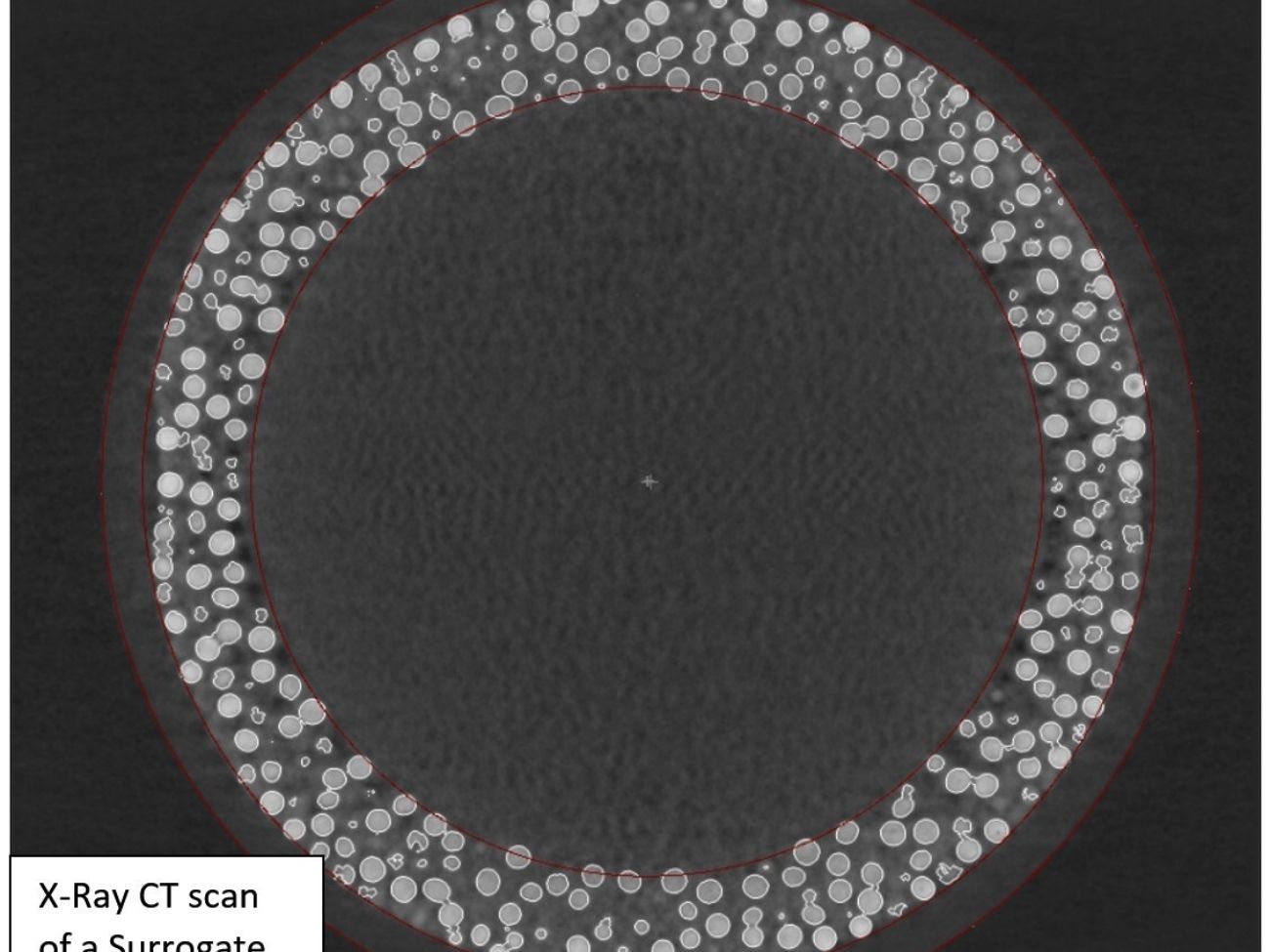
"Producing 60,000 pebbles is an important milestone for our team and reflects how far our manufacturing systems have evolved,” said Jacqe Jansen van Vuuren, the lead engineer for Kairos Power’s Pebble Development Lab. “We’ve moved from a manual process to an automated production system in less than two years that allows us to produce a more complex pebble design faster, more consistently, and with fewer resources.”
”Internal development of an automated production system for our annular fuel pebble form provides Kairos Power the designs, manufacturing know-how, and IP to iterate toward a fully commercial automated system that will scale with our future fuel supply needs,” said Micah Hackett, vice president of Fuel & Materials.
Supporting Reactor Development
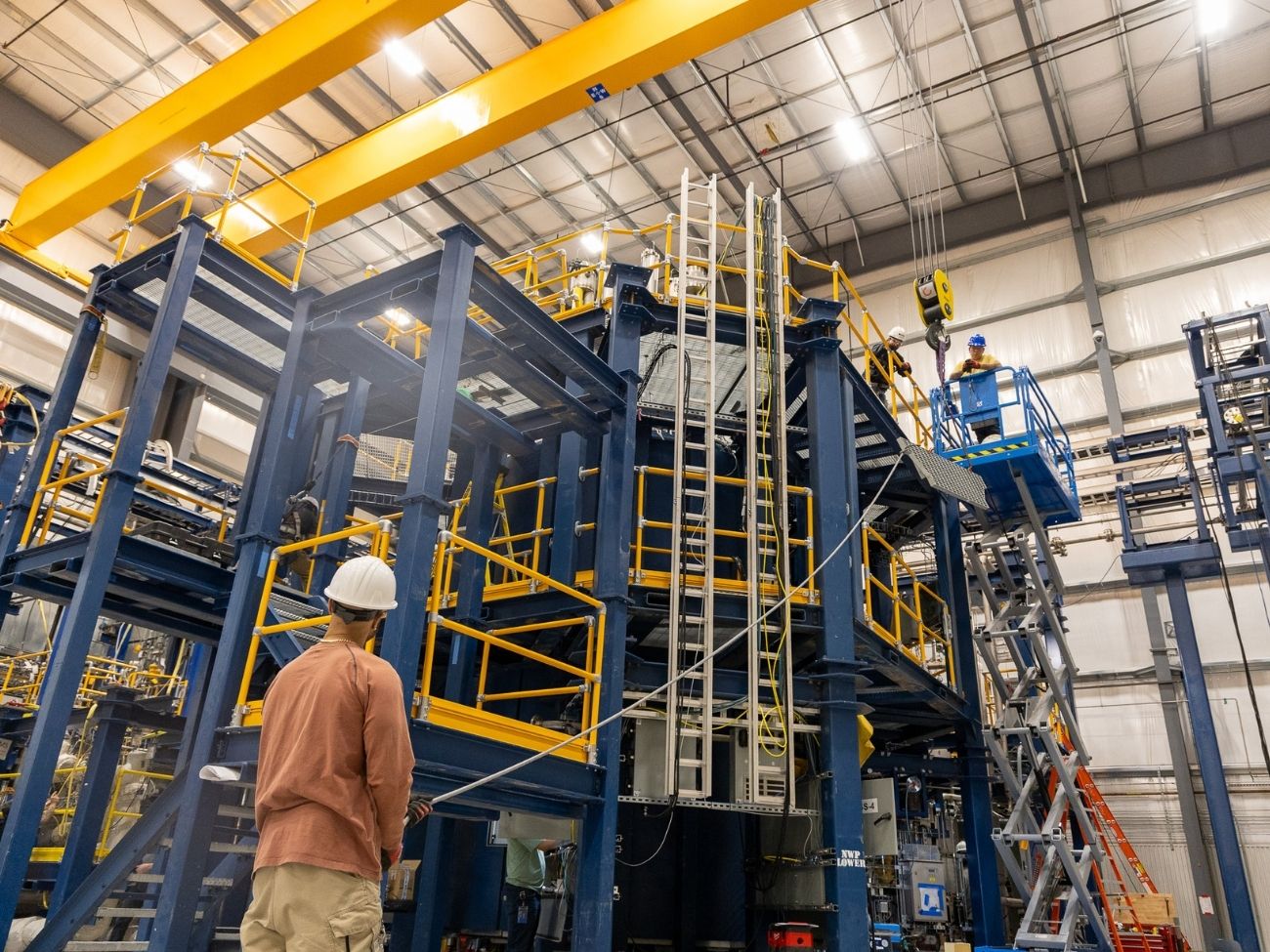
Some of the pebbles will be loaded into the ETU 2 reactor vessel, along with 16 metric tons of Kairos Power’s Flibe molten salt coolant, to help validate primary systems, operations, and manufacturing methods. The balance of the pebbles will be used for additional Kairos Power testing campaigns in Alameda, California, and Oak Ridge, Tennessee, that require prototypic pebbles for accuracy.
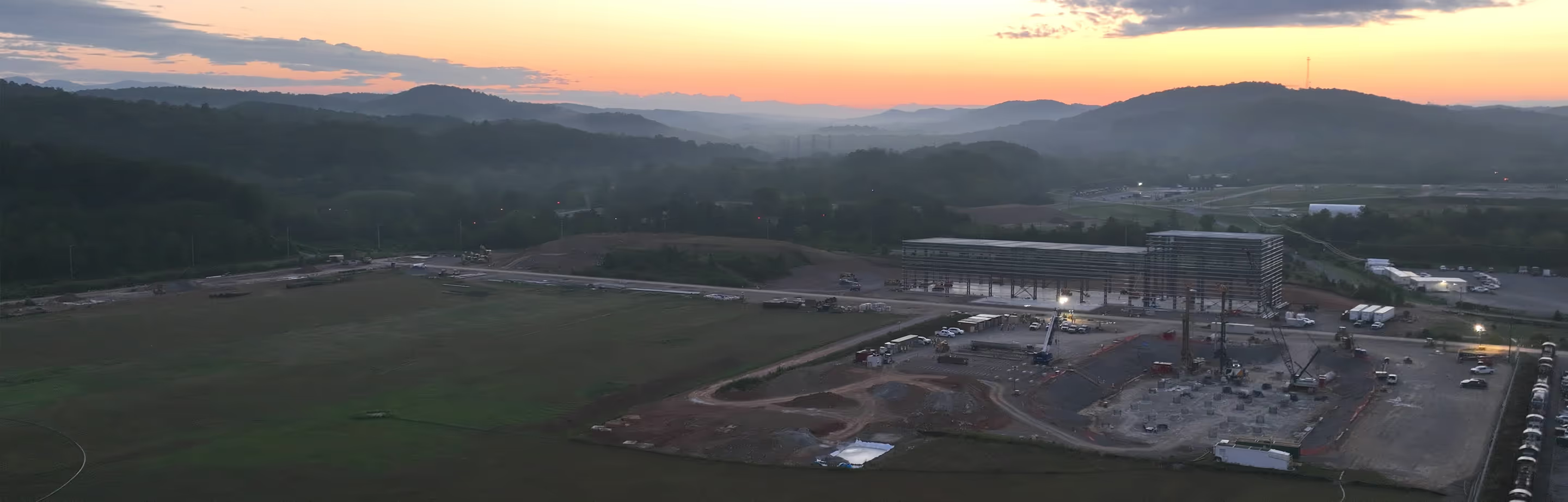
ETU 2 is a non-nuclear, full-scale, modular integrated hardware system that will help inform the design, build, and operation of the company’s Hermes 2 plant, which recently broke ground in Oak Ridge, Tennessee.
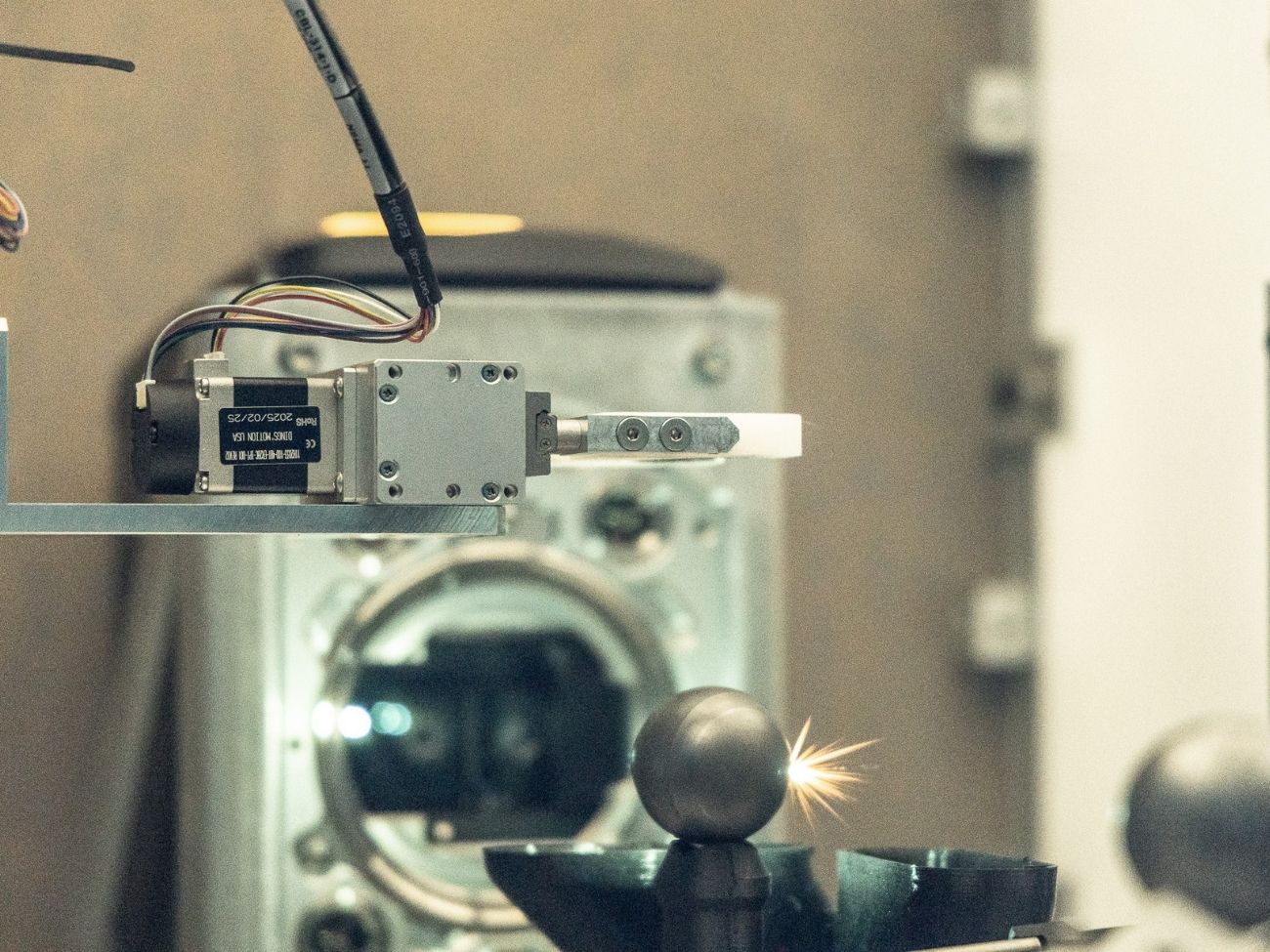
As part of the campaign, each pebble is uniquely marked to enable tracking throughout ETU 2 testing, helping engineers better understand material performance, durability, and handling operations under high-temperature Flibe operating conditions.
What’s Next
Kairos Power is already applying lessons learned from the production campaign to optimize fourth-generation annular and graphite moderator pebble manufacturing systems for future commercial deployment.
The new system is expected to reduce the manufacturing footprint, increase modularity, and further enhance automation capabilities—leading to increased production capacity and the reduced risk of developing a scalable, fuel supply chain for Kairos Power’s advanced reactors.