How Kairos Power is Shaking Things Up with Seismic Isolation Systems

Building a nuclear power plant isn’t easy.
It historically has been a long, capital-intensive process bogged down by construction delays and cost overruns driven by a lack of standardization.
One variable factoring into that equation is location.
U.S. reactor designs must be engineered to address the specific seismic risks of the area, which can be a lengthy and expensive process.
At Kairos Power, we’re taking a different approach to nuclear construction by piloting a 3D seismic isolation system to prevent earthquake ground motion from damaging the reactor building.
This allows us to standardize our reactor design that can then be repeatedly built with greater cost and schedule certainty, regardless of local geological conditions.
What is a Seismic Isolation System?
Seismic isolation technology is widely used in earthquake-prone regions to protect critical infrastructure such as hospitals, bridges, and even data centers.
It has not, however, been widely used by nuclear power plants due to the sheer size, weight, and economics of building traditional large-scale light-water reactors.
Unlike a traditional build where structures are connected directly to the foundations, seismic isolation systems use a series of springs and dampers that serve as cushions between the building structures and their foundations.
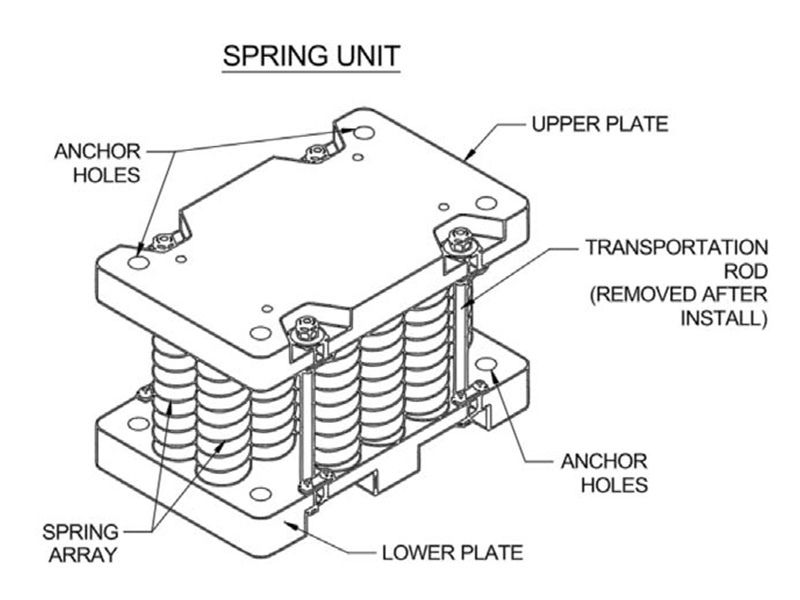
Shifting the frequency with springs
.jpg)
Every building has a specific frequency at which it naturally wants to sway or vibrate. If an earthquake matches that same frequency, the building will shake, potentially damaging the structure.
In a seismic isolation system, the springs are used to lower the building’s natural frequency, allowing the structure to move slower than the ground to minimize the impact of an earthquake.
Absorbing the energy with dampers
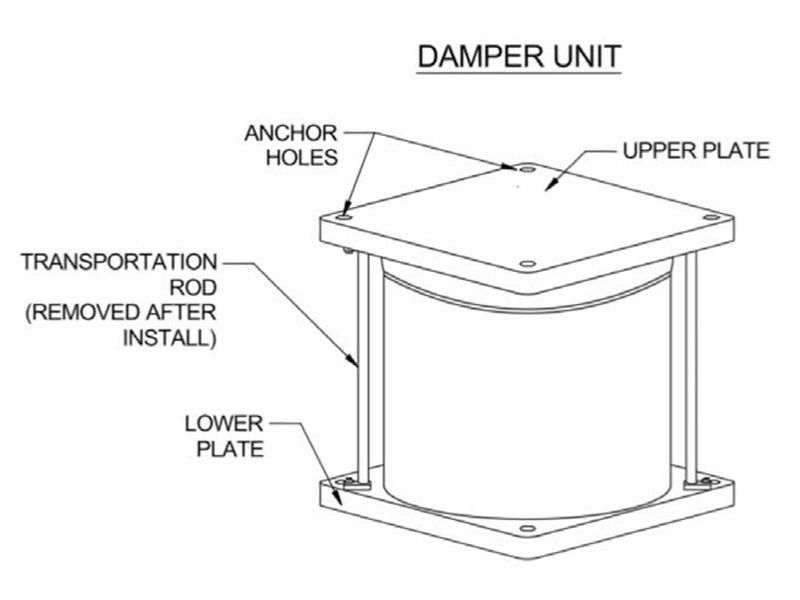
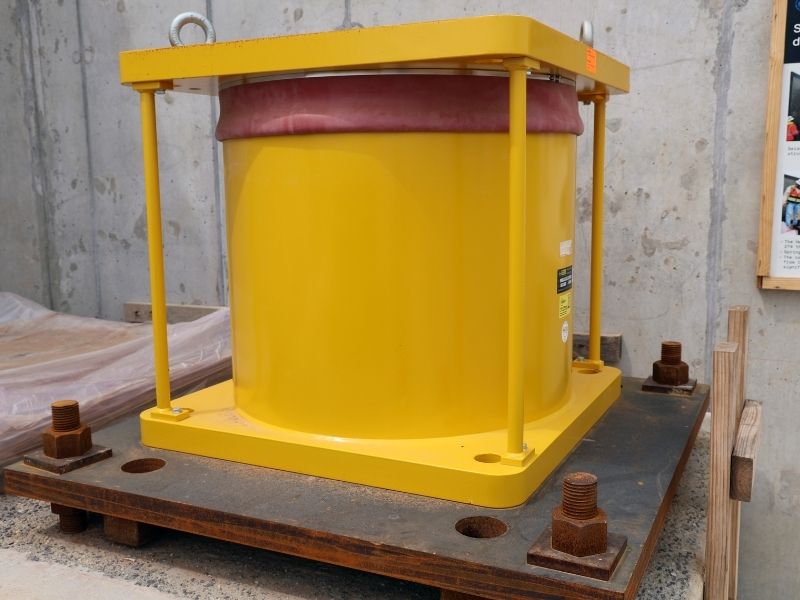
While lowering the frequency helps keep the building safe, the energy from the ground still needs somewhere to go. If it didn’t, the springs would keep bouncing like a bobblehead long after the earthquake has stopped.
This is where the dampers come in.
They absorb the shock of the earthquake and turn the building’s movement into heat through friction to quickly return the structure to a standstill position.
De-risking nuclear construction
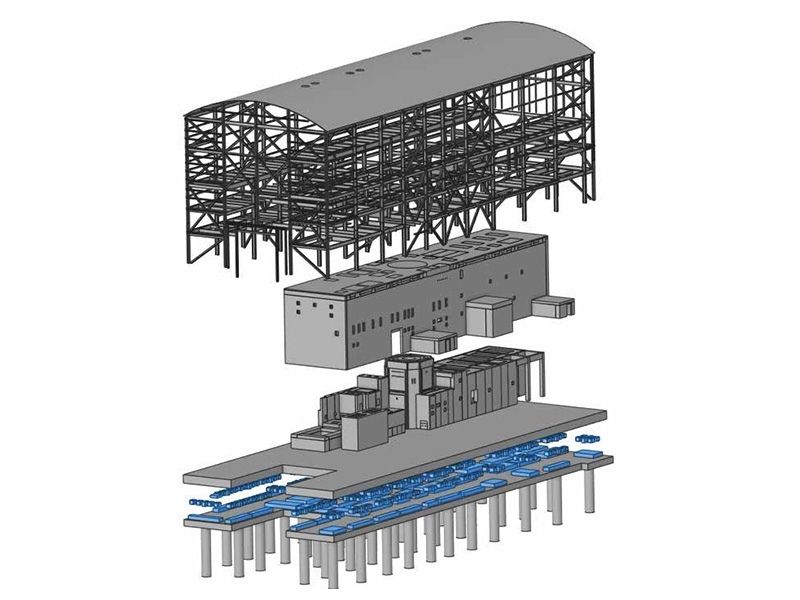
Kairos Power reactors combine proven molten salt and pebble bed reactor technologies to efficiently deliver heat at more than 1,200°F.
The combination of robust TRISO fuel with Flibe molten salt provides functional containment of radioactive fission products and allows the reactor to operate near atmospheric pressure.
This eliminates the need for large, engineered containment structures and provides more flexibility in how the safety-related structures can be built.
The reactor’s modular design also offers a significantly smaller land footprint than conventional nuclear plants — making seismic isolation a more feasible option for our future fleet, starting in Oak Ridge, Tennessee.
Demonstrating Seismic Isolation
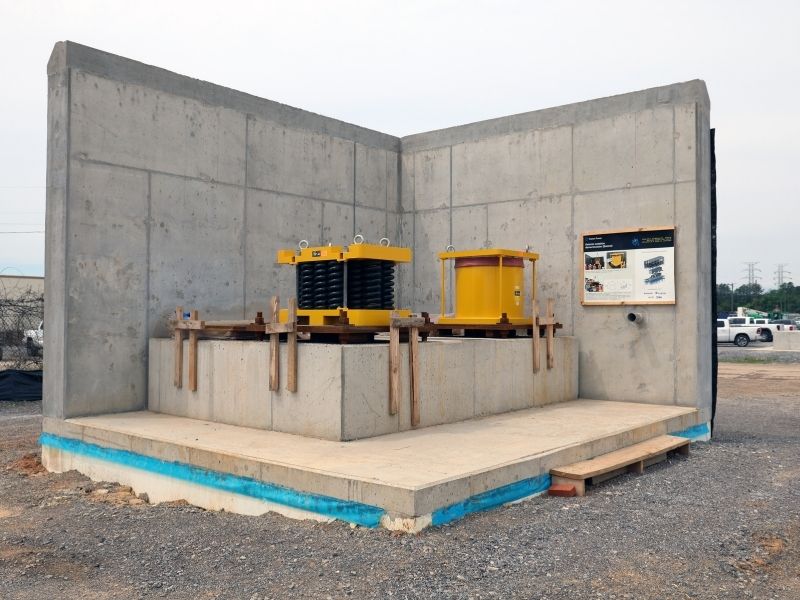
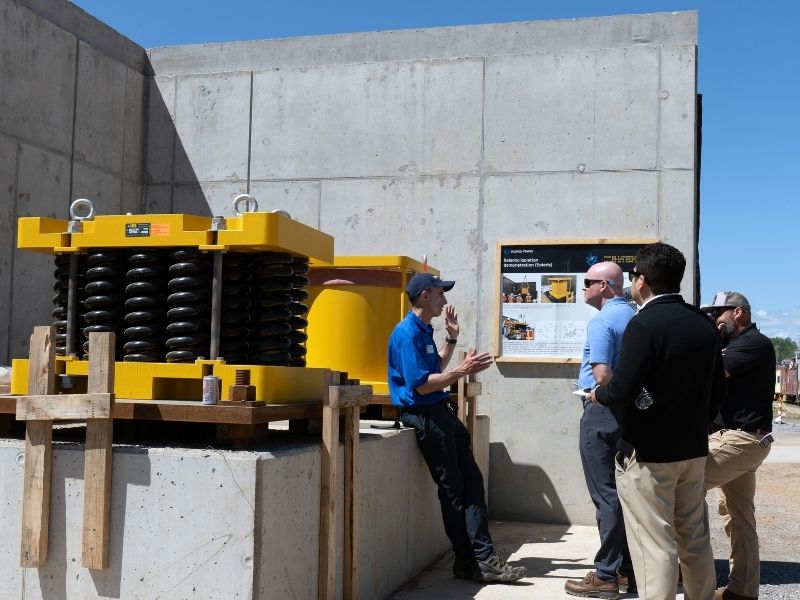
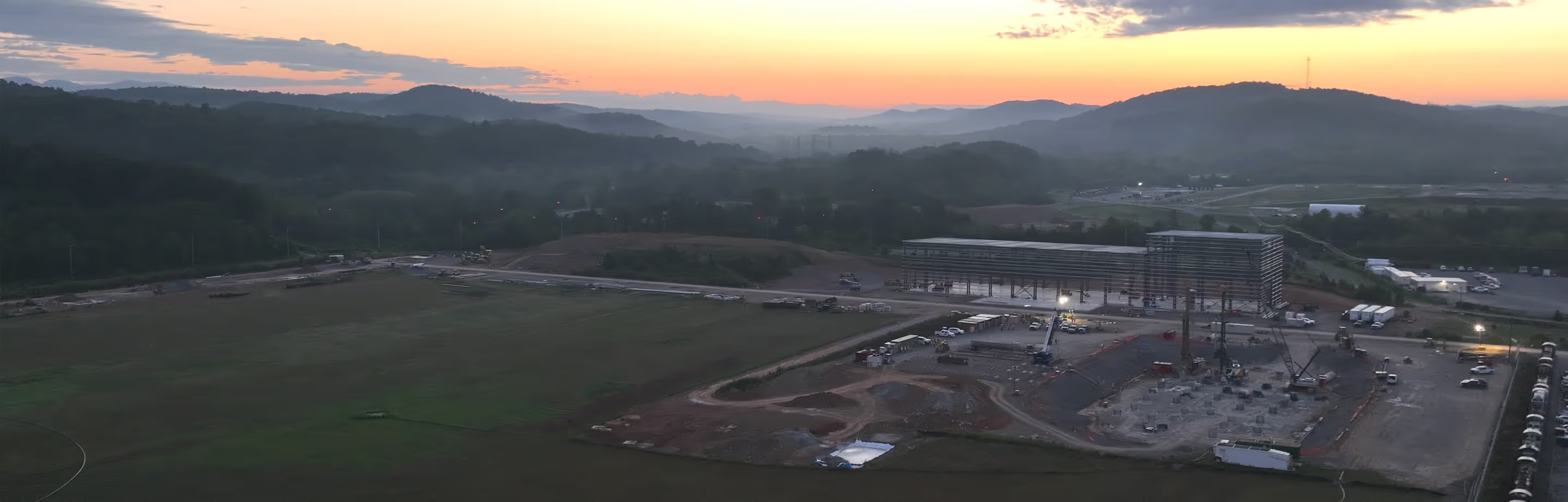
We plan to pilot 3D seismic isolation systems in the Hermes reactor series, now under construction at our Oak Ridge Reactor Demonstration Campus, where the Hermes 2 plant broke ground earlier this year.
Hermes 2 will be Kairos Power’s first power-producing reactor and the first deployment under our agreement with Google to develop an advanced reactor fleet. The plant will supply up to 50 megawatts of clean power to the Tennessee Valley Authority grid to help decarbonize Google data centers in the region.
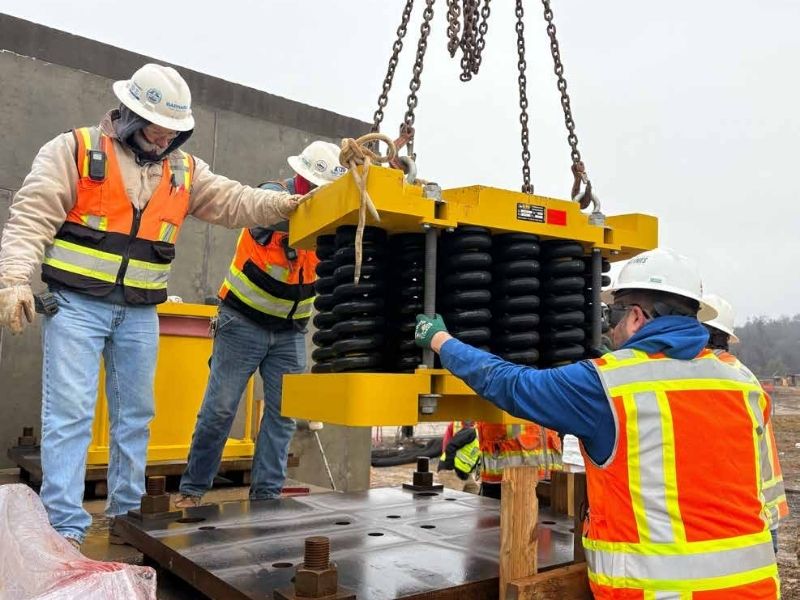
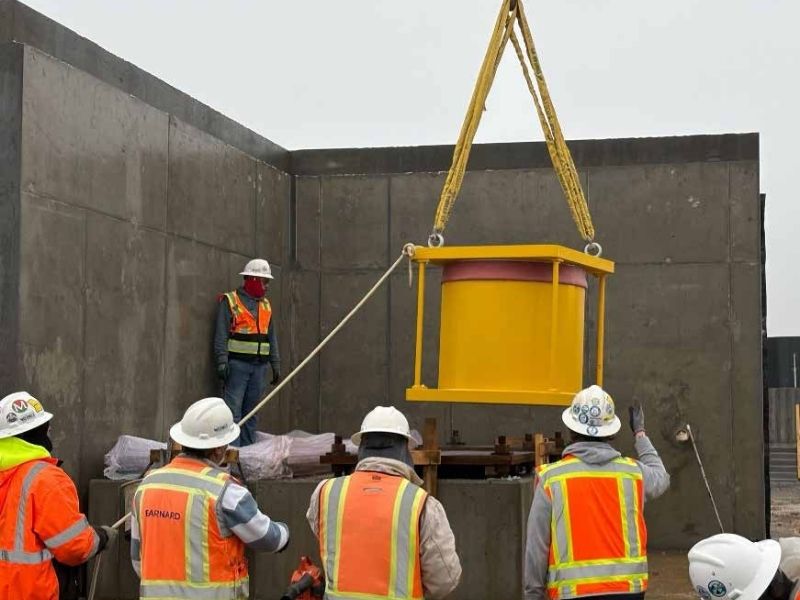
Located near the site entrance is a construction demonstration we installed last year with Barnard Construction to validate our approach to installing seismic isolation systems in nuclear structures.
The test will allow us to practice the installation process for springs and dampers in the tight space between the mat slab and upper foundation layer. These demonstrations are an important part of our iterative development process, incorporating lessons learned that inform future full-scale construction efforts, to help limit cost and scheduling risk.
Testing and Performance
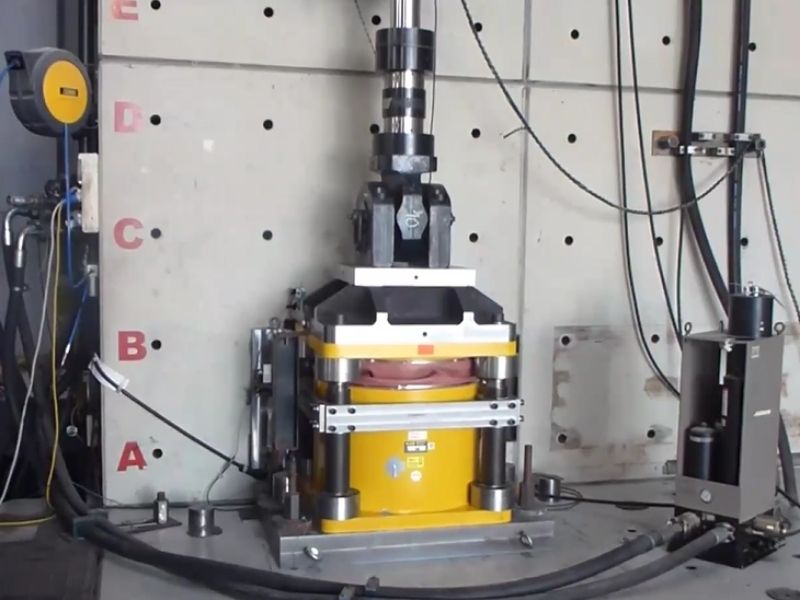
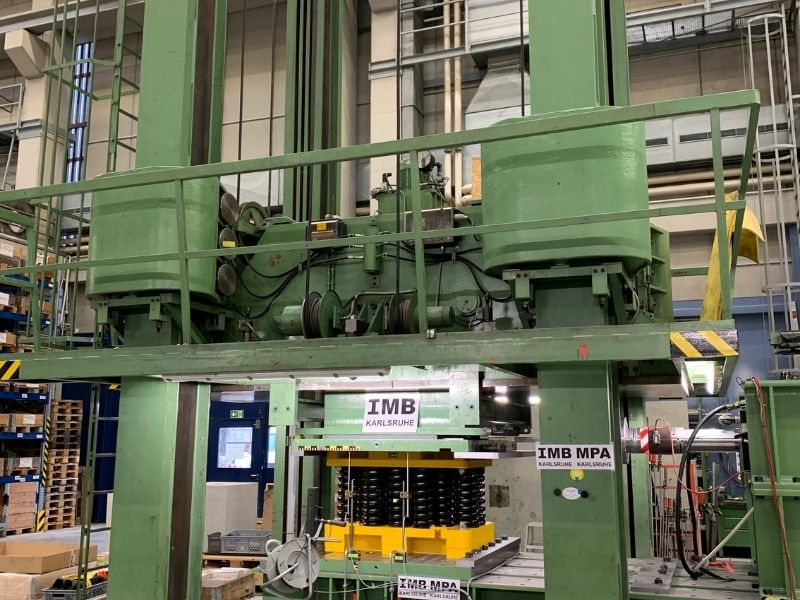
The Hermes 2 seismic isolation system will consist of a system of springs and dampers that will be focused on the safety-related portion of the reactor system and will protect the building from experiencing excessive forces in any direction.
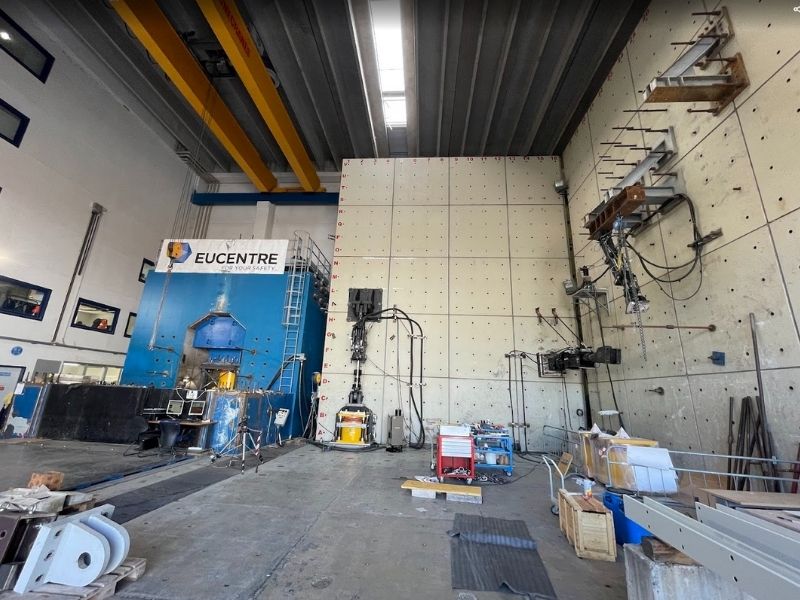
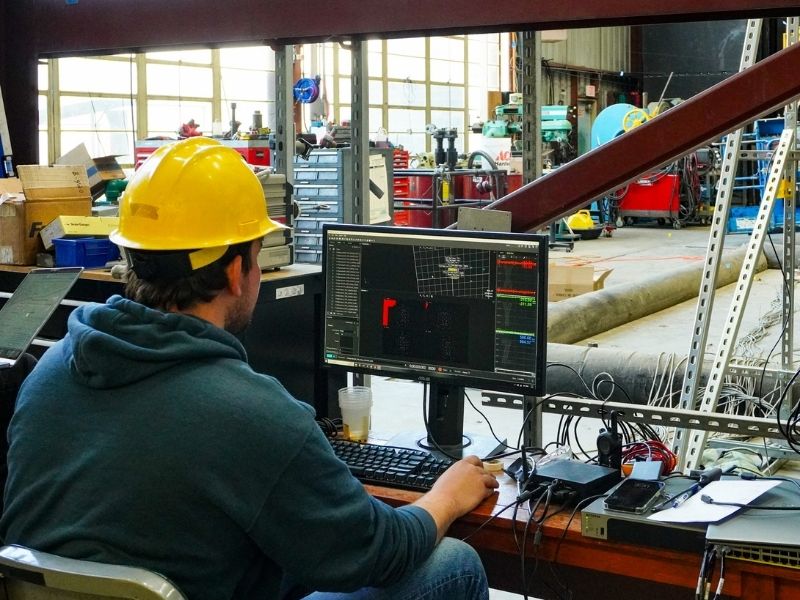
We recently completed prototype testing of the system with global partner GERB at specialized facilities in Italy and Germany to verify the spring and damper performance.
We’re also collaborating with the Pacific Earthquake Engineering Research Center to validate seismic models of the Hermes reactor vessel and internal components to support future licensing activities.
Benefits of Seismic Isolation
While seismic isolation will help the Hermes 2 reactor withstand historical seismic risks in East Tennessee, it also provides additional benefits.
- Standardization: Instead of designing custom reactor buildings for every new site, we can now use the same “blueprint” to standardize the design across our commercial fleet, lowering construction costs and increasing siting flexibility.
- Economic Efficiency: Seismic isolation significantly lowers the force demands on our reactor building, allowing us to optimize the materials used in the rest of the structure.
This seismic isolation system will be one of the first of its kind for a small modular reactor, offering greater schedule and cost certainty for building nuclear power plants and helping us get to our ultimate goal of delivering a single standardized design for our customers.