Kairos Power Completes Molten Salt Production for World’s Largest Flibe Test

Highlights:
- Kairos Power completed the second Flibe production run at its Molten Salt Purification Plant in Elmore, Ohio.
- Improved purification, filtration, and monitoring processes produced high-purity molten salt coolant ahead of the Engineering Test Unit 2 hardware demonstration.
- Lessons from the campaign will inform commercial-scale Flibe production in Albuquerque, New Mexico.
Kairos Power has completed the Flibe production run for its second Engineering Test Unit (ETU 2).
The team produced approximately 8 metric tons of the high-purity molten salt coolant to be tested in the world’s largest Flibe system early next year.
The production campaign supports Kairos Power’s iterative approach to molten salt development and informs larger-scale Flibe production for commercial reactors.
Improving Salt Quality and Characterization
Kairos Power produced approximately 14 metric tons of Flibe coolant in 2023 for our first Engineering Test Unit (ETU 1), a non-nuclear hardware demonstration that tested key reactor systems and operations.
The first production campaign combined lithium fluoride and beryllium fluoride in our Molten Salt Purification Plant (MSPP) in Elmore, Ohio, to demonstrate Flibe production and processing on an industrial scale. For ETU 2, we upgraded the MSPP process and produced salt using more advanced processing and purification techniques to reach the purity levels required for nuclear coolant applications.
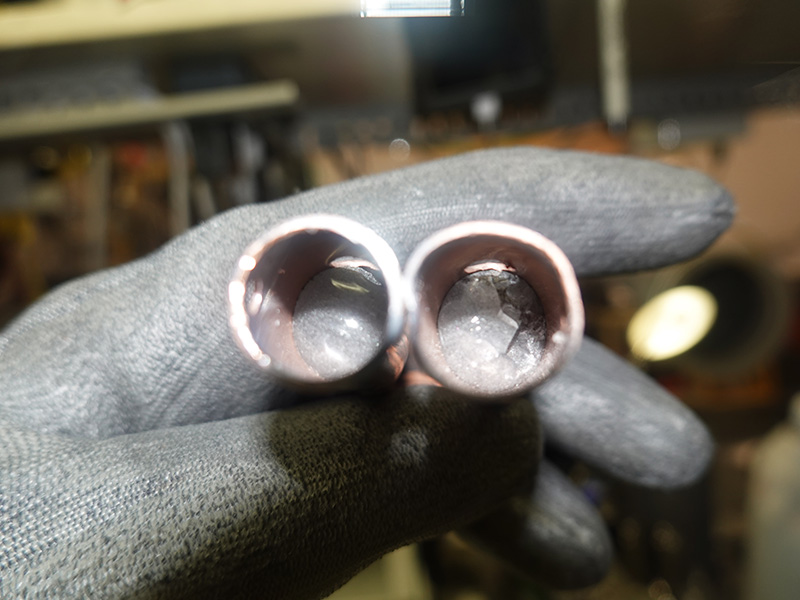
Building on the experience from ETU 1, the second production campaign at MSPP improved purification and added steps to filter the salt and monitor its chemical composition during production. We also expanded salt sampling and electrochemical monitoring, analyzing samples from multiple vessels, before and after filtration and purification, to improve quality control.
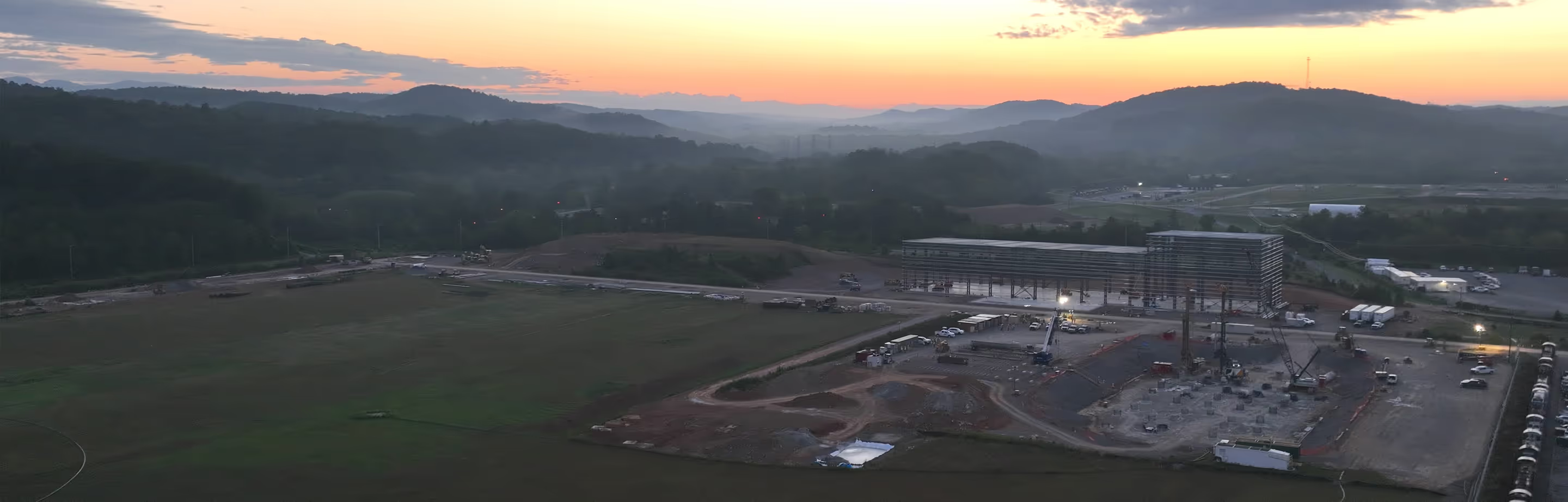
The improvements produced high-purity, better-characterized Flibe that will provide valuable baseline data on its composition ahead of the ETU 2 hardware demonstration. It will also help improve the process that is being designed for our Salt Production Facility (SPF), now under construction at our Albuquerque campus, to deliver high-purity Flibe for our commercial reactors.
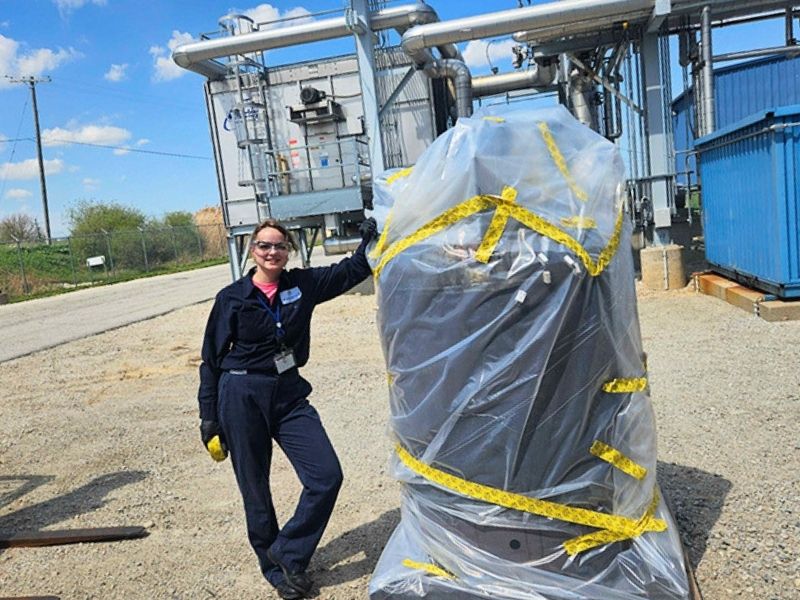
“We’re starting with something we didn’t have in ETU 1: a baseline of the salt’s chemistry before it enters the system," said Sara Harris, a reliability engineer supporting Kairos Power’s Salt team. “Having that information in advance strengthens chemistry control planning and reduces uncertainty for operations as we prepare to test at an even larger scale."
Gearing Up for ETU 2
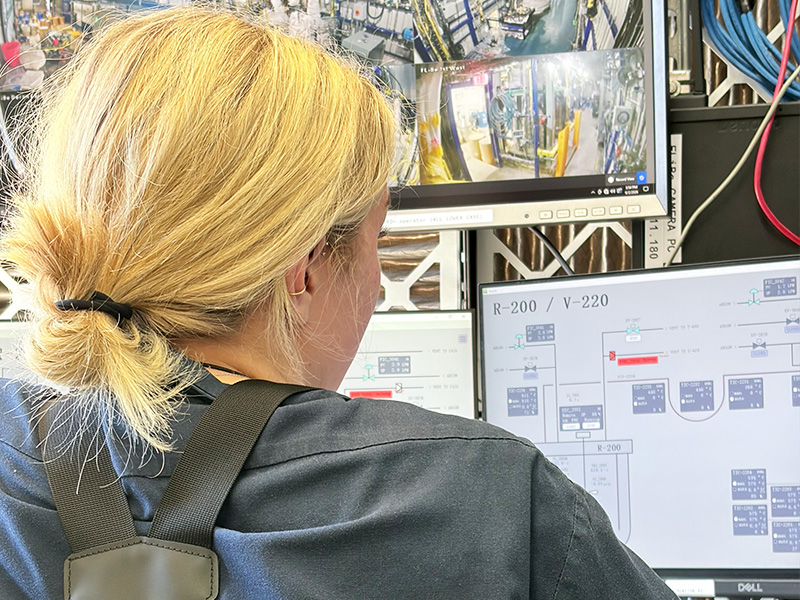
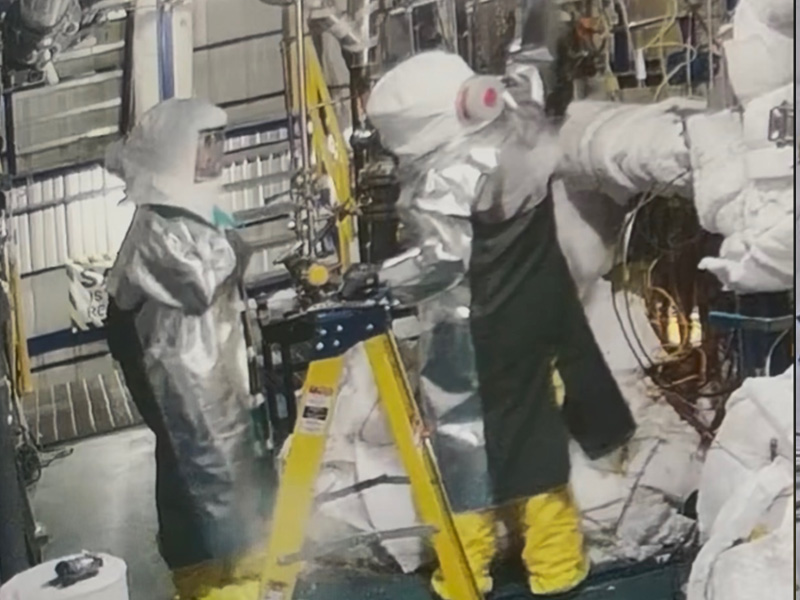
During the production run at MSPP, engineers also made significant improvements to our salt handling systems, processes, and equipment. The team performed more than half of the campaign’s salt transfers remotely using an in-house control system. We also introduced 3D scanning, better communications, and enhanced safety monitoring to improve maintenance planning and support personnel working in high-temperature environments.
“The working conditions inside MSPP require us to make every minute count,” said Paige Pierce, an engineer on the Salt team. “By improving our remote capabilities, planning tools, communications, and safety monitoring, we made the campaign safer and more efficient, while providing valuable lessons for designing and operating future salt production systems.”
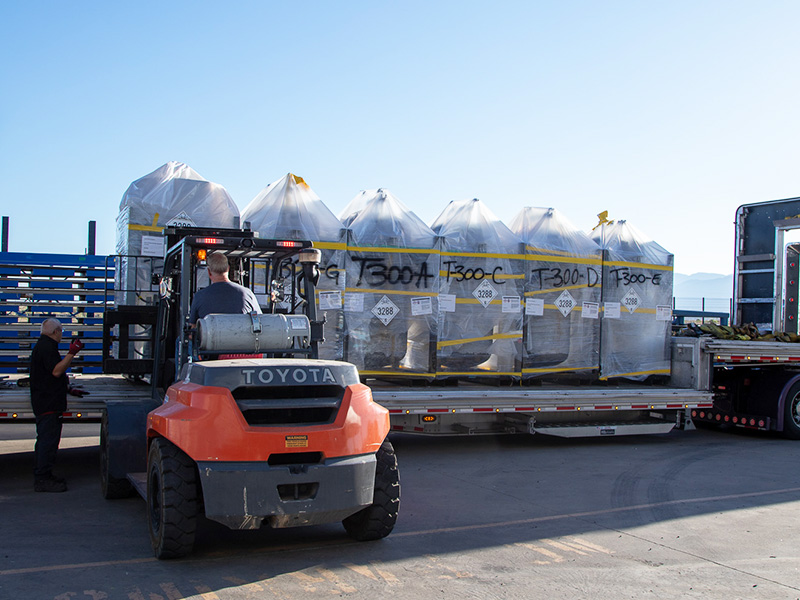
Kairos Power will ship the newly produced Flibe to our Manufacturing Development Campus in Albuquerque, New Mexico, to prepare for ETU 2 operations early next year.
There, the team will combine it with Flibe previously used in ETU 1 to deliver approximately 16 metric tons of salt for the demonstration.
Informing Future Salt Production
The advancements in purification, filtration, and chemistry monitoring will inform ETU 2 operations and guide SPF development.
SPF will produce high-purity, lithium-7-enriched Flibe for Kairos Power’s nuclear reactors, building on the processes demonstrated in MSPP.
With each production campaign, the Kairos Power team applies lessons learned to improve manufacturing processes, refine molten salt chemistry, and reduce technical risk on the path to commercial deployment.